Chennai’s Film Industry at the AI Crossroads
As we approach 2026, Chennai’s thriving film industry stands at a critical juncture. The Tamil film industry, which generates approximately ?3,500 crore annually and employs over 50,000 direct workers, faces unprecedented disruption from artificial intelligence. From visual effects to scriptwriting, AI is reshaping the landscape of Kollywood, raising urgent questions about job security and industry evolution.
The Current State of Chennai’s Film Workforce
Tamil Nadu accounts for nearly 15% of India’s film production output. Major production houses like Lyca Productions, 2D Entertainment, and Rajamohan Films based in Chennai employ thousands directly and indirectly. The industry encompasses cinematographers, sound engineers, editors, VFX artists, costume designers, and production assistants. However, AI-driven tools are already threatening several traditional roles.
VFX and Animation: The Most Vulnerable Sector
Chennai’s VFX industry, centered in areas like Vadapalani and Navalur, employed approximately 8,000 professionals in 2023. Companies like Tamilnad Chaaya and emerging studios leveraged this talent pool for films like “Ponniyin Selvan” and “Jailer.” However, AI tools like DALL-E, Midjourney, and specialized VFX AI are disrupting this sector dramatically.
By 2026, entry-level VFX positions-compositing, rotoscoping, and basic 3D modeling-could see a 40% reduction. Junior artists earning ?15,000 to ?30,000 monthly face the most pressure. Yet, senior supervisors and creative directors understanding both AI and traditional VFX are increasingly valuable. Studios now prefer hybrid professionals who can guide AI tools rather than replace them entirely.
Scriptwriting and Dialogue: AI’s Unexpected Impact
The Tamil film industry produces over 300 films annually. Scriptwriting, traditionally a secure profession, now faces competition from generative AI. Tools developed by platforms experimented with by Kollywood producers can generate basic story structures and dialogue. However, cultural nuance and emotional depth-crucial for Tamil cinema-remain human specialties.
Established writers like Sriram Raghavan and emerging talents may see script review becoming faster, but original creative voices remain irreplaceable. Screenwriters who leverage AI for research, structure analysis, and dialogue refinement-rather than replacement-will thrive. The industry expects scriptwriter salaries to rise by 20% for those mastering AI collaboration.
Cinematography and Direction: Human Vision Prevails
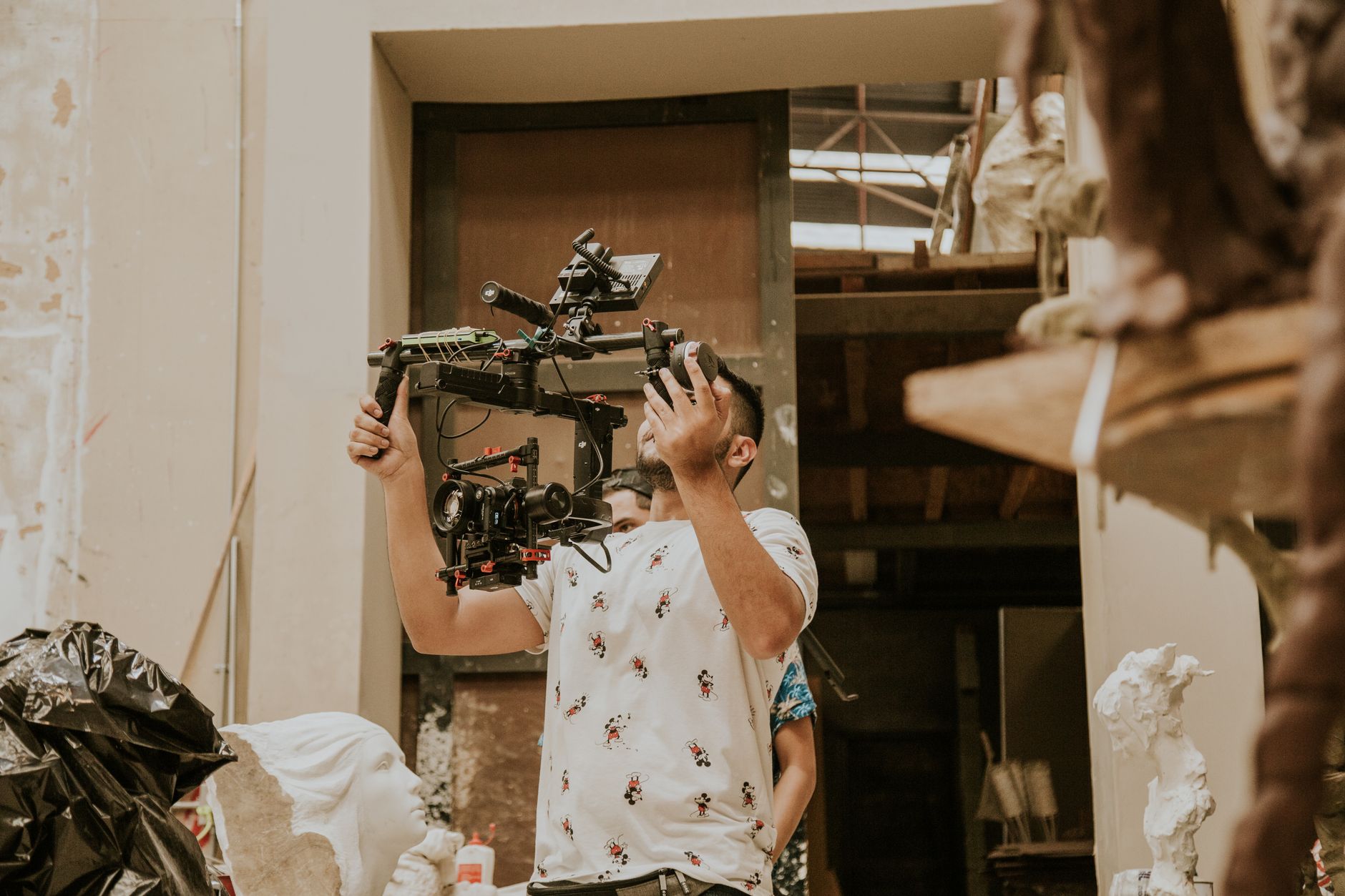
Cinematographers and directors form the creative core of any production. Despite AI-assisted shot composition tools emerging, the human eye directing emotions remains invaluable. Directors like Lokesh Kanakaraj and cinematographers working on recent Tamil productions understand that AI cannot replace artistic vision.
Automated camera movements and lighting suggestions through AI may reduce pre-production planning time by 25%, but creative directors themselves remain essential. These roles will likely see stable employment through 2026, with salaries potentially increasing by 15% due to specialization demands.
Editing and Sound Design: Partial Automation Expected
AI-powered editing software can now perform rough cuts automatically, significantly reducing editing timelines. Sound design faces similar pressures, with AI generating background scores and ambient sounds. However, final edit decisions and bespoke sound design require human expertise.
Editors earning ?40,000 to ?80,000 monthly in Chennai may see 30% of routine work automated by 2026. Specialized sound engineers working with established composers will remain secure. The industry expects consolidation, with smaller editing studios merging or specializing in premium content where human touch commands premium rates.
New Job Categories Emerging
Simultaneously, 2026 will birth new roles: AI prompt engineers for film studios, machine learning specialists managing automated VFX pipelines, and ethics consultants ensuring AI doesn’t compromise creative integrity. Tamil Nadu’s IT infrastructure positions Chennai uniquely to develop these hybrid roles, potentially creating 3,000 to 5,000 new positions.
Tamil Nadu’s Government Response
The Tamil Nadu government, recognizing the disruption, announced initiatives in 2024 to retrain film industry workers. The Film Development Corporation of Tamil Nadu has proposed skill development centers in Chennai and Kanchipuram, targeting 2,000 workers annually for AI-integrated filmmaking courses.
The Survival Strategy
For Chennai’s film professionals, survival means adaptation. Production assistants should upskill toward production management using AI tools. Junior VFX artists must transition to specialized roles requiring creative problem-solving. Established professionals should mentor AI-augmented workflows rather than resist them.
Looking Ahead to 2026
By 2026, Chennai’s film industry will be smaller in headcount but potentially larger in revenue and innovation. Approximately 15,000 jobs may disappear, but 8,000 new opportunities in AI-film convergence will emerge. The winners: adaptive professionals, studios investing in hybrid workflows, and Tamil Nadu’s broader tech ecosystem supporting creative industries.
The question isn’t whether AI will change cinema-it will. The question is whether Chennai remains India’s film capital in an AI-driven era. Early adoption and workforce reskilling offer that possibility.
View on Amazon India →
* Affiliate link – we may earn a small commission at no extra cost to you
Frequently Asked Questions
Which film industry jobs will disappear due to AI by 2026?
VFX artists, junior editors, and basic animation roles face high automation risk. However, specialized cinematography and direction roles remain safe. AI will handle repetitive tasks, eliminating entry-level positions in Chennai’s film production sector.
What new job opportunities will AI create in Tamil film industry?
AI specialists, prompt engineers, and AI-assisted creative roles will emerge. Chennai’s film industry will need professionals managing AI tools, quality control, and human-AI collaboration. New positions in tech-creative hybrid fields offer growth opportunities for skilled workers.
How many film industry jobs exist in Chennai currently?
Tamil Nadu’s film industry employs over 50,000 direct workers and generates ?3,500 crore annually. Chennai accounts for 15% of India’s film production. The industry includes cinematographers, sound engineers, editors, and production assistants across major studios.