Auroville Residents Want More Meaningful Role in Its Present and Future
In a significant development that resonates with broader questions about community participation and democratic governance, residents of Auroville-the international township located just 12 kilometers north of Puducherry and within Tamil Nadu’s borders-are increasingly vocal about their demand for a more meaningful role in the township’s decision-making processes. This push reflects growing frustrations among the 2,500+ residents who call this experimental community home, and it carries implications for how India manages its unique experimental settlements.
What is Auroville and Why Does It Matter?
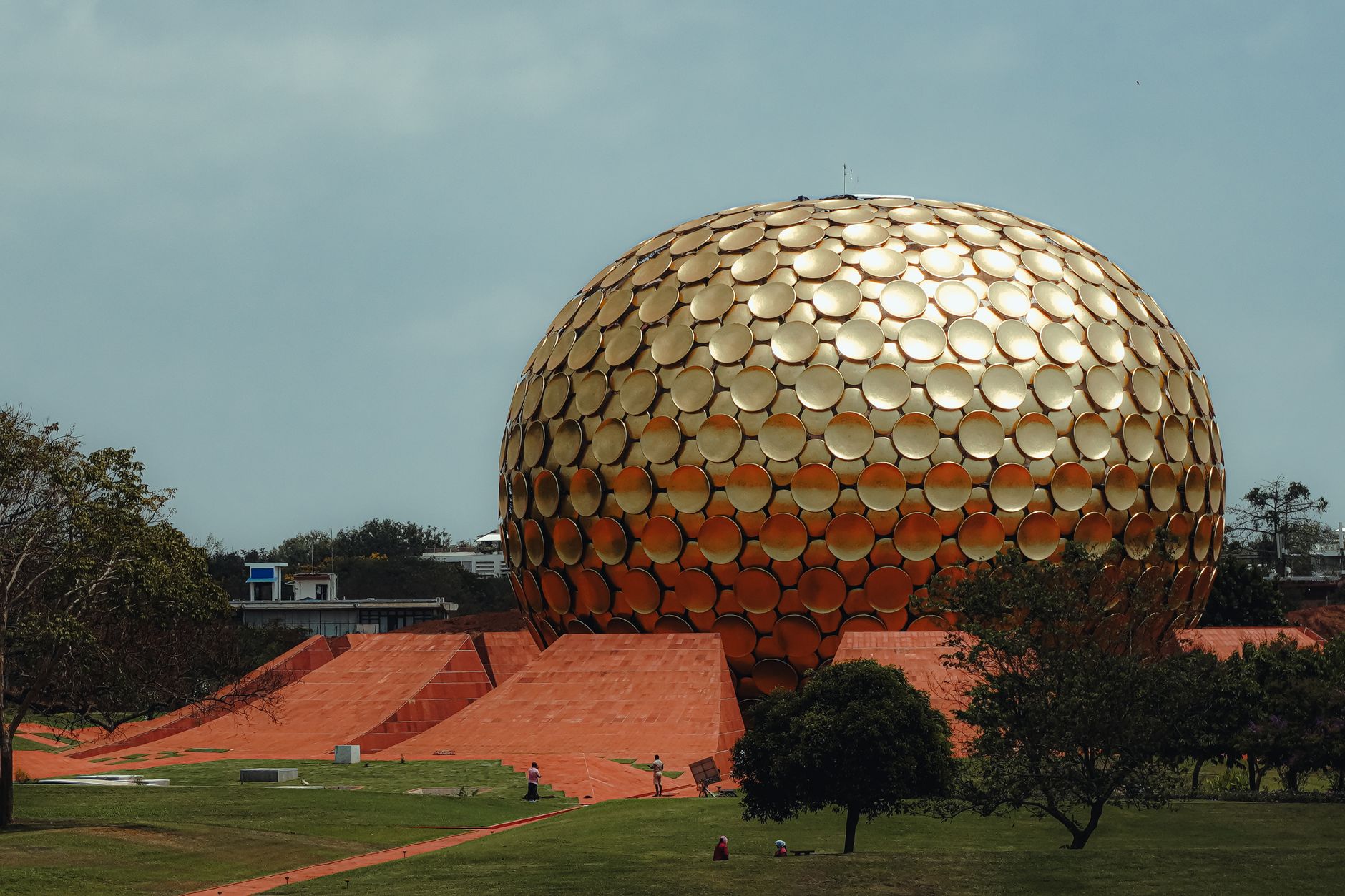
Auroville, founded in 1968 by Mirra Alfassa (known as “The Mother”) with support from the Government of India, was envisioned as a universal township where people from different nations and backgrounds could live together in harmony. Located in the Villupuram district of Tamil Nadu, Auroville represents India’s experiment in creating an international, spiritually-oriented community focused on human unity and sustainable living.
The township is unique in several ways. It operates under a special administrative status, with governance historically concentrated in the hands of appointed officials and the Auroville Foundation, a government body overseen by the Ministry of Human Resource Development. What makes the current situation particularly relevant to Tamil Nadu residents is that Auroville sits on Tamil soil yet functions with minimal involvement from its residents in policy decisions that directly affect their daily lives.
The Core Issue: Limited Resident Participation in Governance
The primary complaint from Auroville residents is straightforward yet significant: they have little say in how the township is governed, despite being the ones most affected by these decisions. Currently, the Auroville Foundation’s governing board makes crucial choices regarding resource allocation, environmental policies, housing, infrastructure development, and community programs with minimal input from the residents themselves.
This governance structure, while perhaps appropriate during Auroville’s experimental phase in the 1960s and 70s, increasingly feels outdated to residents who have invested decades building this community. Many residents argue that after 50+ years of development, the township should transition toward more democratic and participatory governance models that include meaningful resident representation.
Recent concerns have centered on issues like water management, urban planning, housing allocation, and the balance between Auroville’s spiritual mission and practical community needs. Residents feel their expertise and ground-level knowledge are underutilized in addressing these challenges.
Tamil Nadu Connection and Local Impact
While Auroville is internationally known, its connection to Tamil Nadu-and particularly to the Puducherry region-makes this issue locally relevant. The township’s land sits within Tamil Nadu’s jurisdiction, yet it operates with significant autonomy. This has created interesting dynamics with local Tamil communities in surrounding villages.
The demand for more resident participation in Auroville’s governance also raises questions about how India manages international settlements within its borders. Should such townships operate under centralized government control, or should residents have democratic say in their future? These questions matter to other experimental communities across India as well.
Additionally, there are economic implications for the region. Auroville attracts international tourists and supports local employment. Better governance and community satisfaction could enhance its positive impact on surrounding Tamil Nadu villages through improved resource sharing and collaborative initiatives.
What Residents Are Asking For
Auroville residents aren’t asking to dismantle the township’s governance structure entirely. Rather, they’re seeking several specific reforms:
Democratic Representation: Residents want elected representatives on decision-making bodies, ensuring their voices shape policies affecting their lives.
Transparency: Greater openness regarding budget allocations, long-term planning, and administrative decisions.
Participatory Planning: Meaningful consultation with residents before implementing major projects or policy changes.
Accountability: Clear mechanisms for residents to question decisions and hold administrators responsible.
Broader Implications for India’s Experimental Communities
Auroville’s situation highlights a larger conversation in India about democratic participation in specialized communities. The township model, adopted in various forms across India, often prioritizes central planning over resident autonomy. However, as these communities mature and residents develop deeper stakes in their success, the demand for participation becomes inevitable and arguably legitimate.
The way India handles Auroville’s governance evolution could set precedents for other international settlements, eco-townships, and specially-administered communities nationwide. A successful transition to more inclusive governance would demonstrate that centralized planning and community democracy aren’t mutually exclusive.
What Happens Next?
Auroville’s residents have been engaging in discussions with the Auroville Foundation and relevant government bodies. However, progress has been slow, reflecting bureaucratic complexities and different visions for the township’s future. Many residents feel heard but not heeded-their suggestions acknowledged but not acted upon.
The coming months will be crucial. Whether the Auroville Foundation and government embrace meaningful reforms or resist resident involvement will shape not just Auroville’s future, but also signal India’s commitment to democratic principles in its experimental settlements.
Practical Advice for Interested Readers
If you’re interested in this issue: Stay updated through local Tamil Nadu and Puducherry news outlets, as well as Auroville’s own communication channels. The township publishes regular reports and newsletters accessible to the public.
For those visiting Auroville: Consider speaking with residents to understand their perspectives on community governance and sustainability challenges.
For policy enthusiasts and students: Auroville presents an excellent case study in experimental governance. Following this situation offers insights into how international communities can balance spiritual missions with practical democratic needs.
For local Tamil Nadu residents: Auroville’s development directly affects surrounding villages. Understanding the township’s governance challenges helps you engage more meaningfully with this international community within your region.
The Auroville residents’ demand for greater participation reflects a universal principle: those most affected by decisions deserve a voice in making them. How India responds to this reasonable request will speak volumes about its commitment to democratic values in all contexts-international townships included.
Frequently Asked Questions
What is Auroville and where is it located?
Auroville is an international township founded in 1968 by Mirra Alfassa, located 12 kilometers north of Puducherry within Tamil Nadu’s borders. It’s an experimental community housing 2,500+ residents seeking spiritual and social harmony.
Why are Auroville residents demanding more say in governance?
Residents seek meaningful participation in decision-making processes affecting their community’s present and future. Growing frustrations over limited democratic involvement in governance reflect broader concerns about community participation in experimental settlements.
How does Auroville’s governance issue impact Tamil Nadu?
As an international township within Tamil Nadu’s jurisdiction, Auroville’s governance challenges raise questions about how India manages unique experimental settlements and community participation rights in its borders.