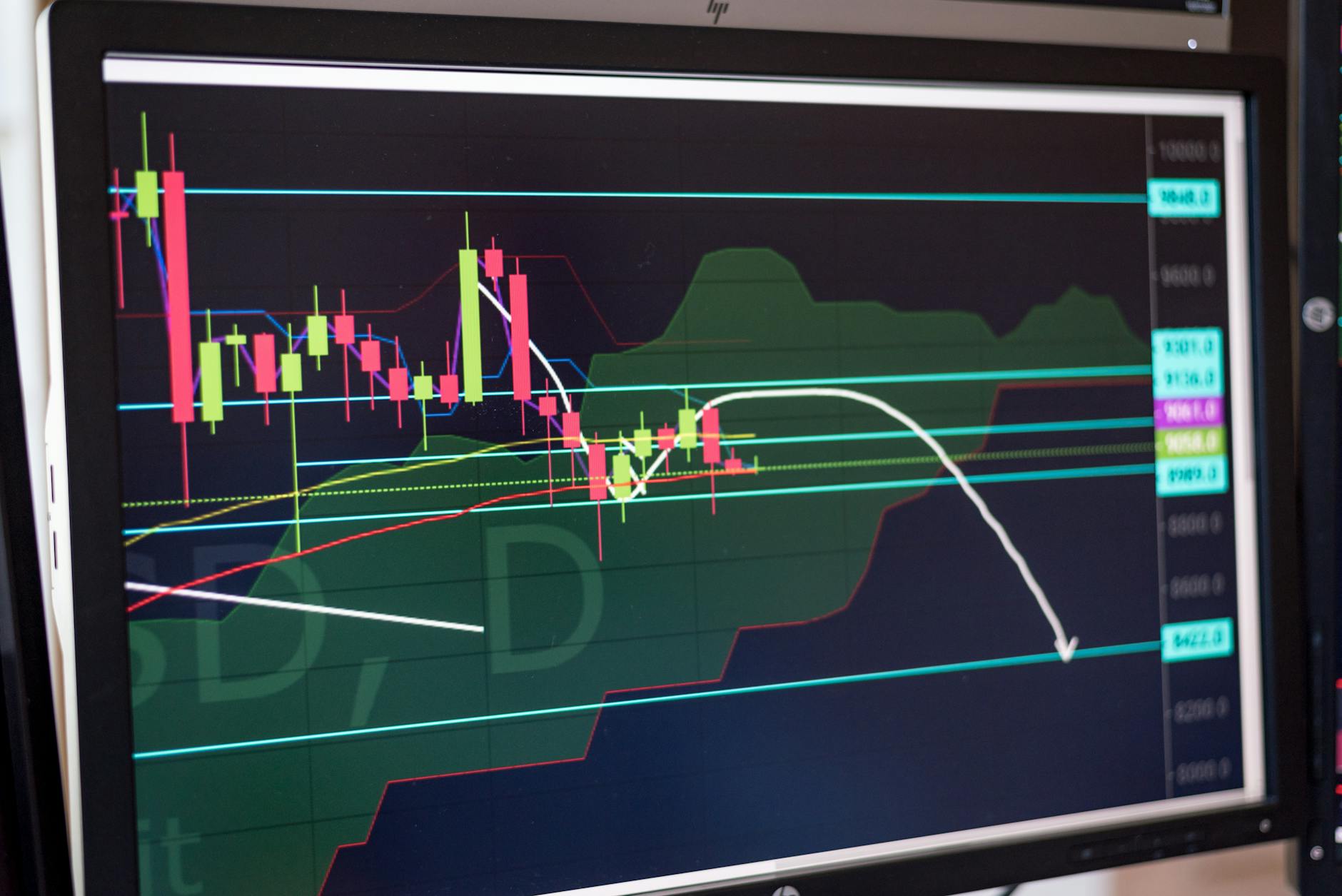
Dalal Street Week Ahead: Will Nifty Hold 23,000 as Markets Test Key Support?
The Indian stock market is holding its breath this week, friends. After a rollercoaster ride last month, Nifty 50 is now dancing around the critical 23,000 mark—a level that’s got traders in Chennai’s bustling Shoolinganallur IT corridor and investors across the country watching their screens closely. Will this support level hold, or are we in for more turbulence? Let’s break it down for you.
What’s Happening on Dalal Street?
The Nifty 50 index, India’s benchmark of the 50 largest companies, has been under pressure lately. We’re talking about a market that’s grappling with global headwinds—rising US interest rates, geopolitical tensions, and cooling growth expectations. For the week ahead, the 23,000 level is more than just a number; it’s a psychological and technical battleground.
Think of support levels like a safety net at a circus. When the market dips, traders hope it bounces back at these predetermined prices. The 23,000 level for Nifty 50 is precisely that—a level where many investors have historically bought stocks, making it a strong foundation. If it breaks below, we could see panic selling. If it holds, it might give confidence back to the market.
Over the past week, we’ve seen corporate results coming in mixed—some sectors shining while others stumbled. Banking stocks, IT companies, and infrastructure plays have all shown different temperaments. This uneven performance is typical when investors are uncertain about the broader economic picture.
Why Should Tamils and Indians Care?
Let’s get real: whether you’re sipping coffee at a café in T. Nagar or managing a shop in Mylapore, market movements affect your life. Here’s why:
Your Retirement Plans: If you have a pension, mutual fund investment, or even modest shares in your demat account, market volatility directly impacts your wealth. A 500-point drop in Nifty might seem like a number, but it could translate to real rupees lost from your portfolio.
Job Security: Many Tamil Nadu-based IT companies and financial firms are listed on the stock exchange. When the market falls, companies sometimes trim their workforce or freeze hiring. Wipro, Infosys, TCS, and HCL Tech—all major employers in Chennai—are sensitive to Dalal Street movements.
Your Savings Returns: Banks adjust their deposit rates based on RBI policy decisions, which are influenced by market conditions and inflation. A volatile market often leads to defensive monetary policy, affecting the interest you earn on your savings account.
The 23,000 Question: Technical vs. Sentiment
From a technical analysis perspective, the 23,000 level is significant. It represents previous support that, if broken, could lead to a further drop to 22,500 or even 22,000. Conversely, if the market bounces back from here with conviction, the next resistance level sits around 24,000.
But here’s the thing—numbers alone don’t drive markets. Sentiment does. Are investors feeling optimistic about India’s growth story? Are global institutions buying Indian assets or selling? Right now, the mood is cautious. Foreign investors have been net sellers, and domestic players are picking stocks selectively.
Key Events This Week
Three major things could influence market direction:
RBI’s Upcoming Communication: Any hints about future interest rate moves can swing the market. The Reserve Bank of India’s decisions trickle down to everything—from your home loan EMI to the returns on your fixed deposits.
Global Cues: What happens on Wall Street, in London, or with US Treasury yields matters enormously. If US markets rally, our market gets a boost. If they fall, we suffer.
Corporate Earnings: Several major Indian companies are still announcing quarterly results. Strong numbers can turn sentiment positive; weak ones can deepen the gloom.
Should You Panic? A Reality Check
If you’re an investor with a 5-10 year horizon, market fluctuations are normal. Comparing stock market swings to weather patterns makes sense—monsoons eventually give way to sunshine. However, if you’re an aggressive trader with short-term bets, the 23,000 level is indeed critical.
For regular investors buying through Systematic Investment Plans (SIPs), market dips are actually opportunities. You buy more units when prices fall, averaging out your costs over time. This is how wealth is created in the long run.
What Tamil Nadu Investors Are Doing
Chennai’s investment community—from small retail traders to seasoned professionals—is closely watching PSU bank stocks and infrastructure plays. Companies like NTPC, Power Grid, and Larsen & Toubro hold significant appeal during uncertain times because they offer dividend yields and government support.
Meanwhile, the Madras High Court’s periodic interventions on market-related PIL cases remind us that investor protection is taken seriously. Tamil Nadu has a vibrant community of registered investment advisors and wealth managers who are actively counseling clients on portfolio positioning.
Practical Advice for Your Portfolio
Don’t Time the Market: Trying to predict whether Nifty will hold 23,000 is like predicting Chennai weather in October. Even experts get it wrong. Instead, focus on a disciplined investment approach.
Review Your Asset Allocation: Have your stocks, bonds, and cash holdings drifted from your target? Market volatility is an excellent time to rebalance.
Avoid Leverage: Using borrowed money to buy stocks during uncertain times is risky. Stick to your own capital.
Check Your Emergency Fund: Before investing aggressively, ensure you have 6 months of expenses in a liquid account. Market downturns sometimes coincide with personal emergencies.
Consult a Certified Advisor: If you’re unsure, talk to a SEBI-registered investment advisor. There are excellent professionals in Chennai who can guide you based on your personal financial goals.
Looking Ahead
Will Nifty hold 23,000? Honestly, nobody knows for sure. What we do know is that India’s economic fundamentals remain strong. Inflation is cooling, growth prospects are reasonable, and the corporate earnings cycle should improve. Short-term volatility is normal; panicking is not.
Stay informed, stay disciplined, and remember: great investors are made during market downturns, not during rallies. Whether you’re watching from your office in Mylapore or your home in Porur, keep your eyes on the bigger picture and your emotions in check.
Namma Chennai has weathered many storms. Namma India’s markets have too. This week’s test of 23,000 is just another chapter in our investment story.