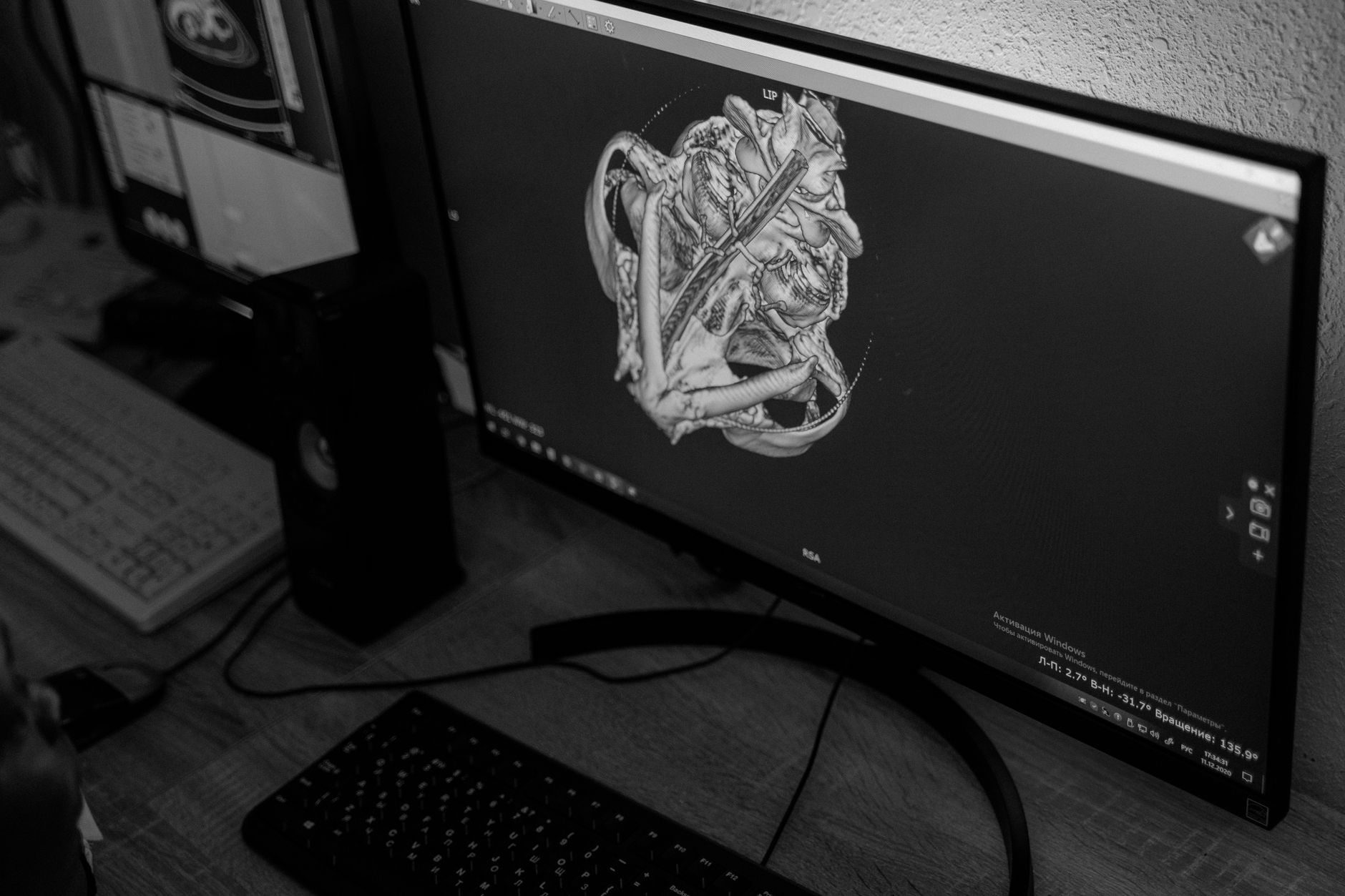
IIT-Madras Creates First 3D Atlas of Human Brainstem: A Game-Changer for Medical Science
In a remarkable achievement that puts Chennai’s prestigious Indian Institute of Technology on the global medical research map, IIT-Madras has released a comprehensive 3D atlas of the human brainstem. This groundbreaking project represents years of meticulous research and promises to revolutionize neurosurgery, medical education, and neurological treatment across India and beyond.
What is the 3D Brainstem Atlas?
The brainstem, located at the base of the brain where it connects to the spinal cord, is one of the most complex and delicate structures in the human body. It controls vital functions like breathing, heart rate, and consciousness. Despite its critical importance, detailed anatomical maps of this region have been limited, making surgery in this area incredibly challenging and risky.
The IIT-Madras 3D atlas provides unprecedented detail of the brainstem’s intricate anatomy. Using advanced imaging techniques and computational modeling, researchers have created a digital representation that allows medical professionals to visualize every nerve, blood vessel, and anatomical structure in three dimensions. This is the first of its kind in terms of comprehensiveness and accessibility.
Why IIT-Madras? Why Now?
IIT-Madras, consistently ranked among India’s top research institutions, has been investing heavily in biomedical engineering and computational biology. The institute’s multidisciplinary approach brought together neuroscientists, computer engineers, and medical professionals to tackle this ambitious project.
“The brainstem has remained one of the least understood regions of the brain,” explains researchers involved in the project. “Creating a 3D atlas required combining traditional anatomical knowledge with cutting-edge digital technology. Chennai’s research ecosystem and IIT-Madras’s resources made this possible.”
How Was This Achieved?
The team employed several advanced techniques to create this atlas. High-resolution MRI and diffusion tensor imaging captured the brain’s structure and neural pathways with extraordinary precision. Machine learning algorithms then processed this data to construct accurate 3D models. The result is an interactive digital tool that researchers and surgeons can access and study in detail.
The research involved collaboration with medical institutions across India, including leading hospitals in Chennai, Delhi, and Mumbai. This collaborative approach ensures that the atlas incorporates diverse anatomical variations found in the Indian population, making it particularly relevant for Indian surgeons and medical students.
What Does This Mean for Indian Patients?
For patients suffering from brainstem tumors, strokes, or neurological conditions, this atlas could be life-changing. Neurosurgeons now have detailed pre-operative planning tools that reduce surgical risks significantly. What once required exploratory surgery can now be meticulously planned using the 3D model.
In India, where brainstem-related conditions affect thousands annually, access to better surgical planning tools addresses a critical healthcare gap. Many Indian hospitals lack the advanced imaging infrastructure available in developed nations. This atlas democratizes access to high-quality anatomical knowledge, leveling the playing field for medical institutions across the country.
Impact on Medical Education
Medical colleges across Tamil Nadu and India will benefit enormously from this resource. Currently, medical students learn brainstem anatomy through textbooks and limited cadaver dissections. This 3D atlas provides an interactive, immersive learning experience that enhances understanding and retention.
IIT-Madras has indicated that the atlas will be made available to educational institutions, potentially transforming how neurology and neurosurgery are taught in Indian medical schools. Students in Chennai’s medical colleges, including AIIMS-Chennai and Christian Medical College, Vellore, will have access to world-class educational resources.
Global Recognition and Collaboration
This project has garnered attention from international neuroscience communities. The atlas is being prepared for publication in leading medical journals and will be presented at global medical conferences. This positions IIT-Madras and Indian medical research as contributors to cutting-edge global science.
International collaboration opportunities are already emerging, with researchers from leading universities expressing interest in partnerships. This can lead to funding, technology transfer, and enhanced research capabilities for Chennai’s scientific community.
Technical Innovation and Future Applications
The methodologies developed for the brainstem atlas can be applied to create similar detailed maps of other brain regions. The team has outlined plans to expand this work to the cerebellum, midbrain, and other complex neural structures. This could establish Chennai as a hub for neuroanatomical research and computational neuroscience in Asia.
The atlas is also being integrated with virtual reality (VR) and augmented reality (AR) platforms, enabling immersive surgical training. Neurosurgeons can practice complex procedures in a virtual environment before operating on actual patients, significantly improving outcomes.
What This Means for Healthcare Infrastructure
Projects like this highlight India’s growing capacity in advanced medical research. While India has produced exceptional individual researchers, having world-class research infrastructure at premier institutions like IIT-Madras strengthens the nation’s healthcare ecosystem.
For Chennai specifically, this reinforces the city’s reputation as a center for medical innovation. Companies and research institutions are increasingly establishing facilities in Tamil Nadu, recognizing the availability of talent and infrastructure.
Practical Advice for Readers
For Medical Professionals: Stay updated with IIT-Madras announcements regarding access to the 3D atlas. When it becomes available, institutions should integrate it into their training programs and surgical planning protocols.
For Medical Students: If you’re studying neurology or neurosurgery, reach out to your institution’s research department to learn about accessing this resource. Familiarity with such tools will give you a competitive advantage in your career.
For Patients: If you or a family member requires brainstem surgery, consult with neurosurgeons at centers equipped with advanced imaging and planning tools. Ask if they use computational planning methods to minimize surgical risks.
For Parents: This demonstrates India’s capacity for world-class innovation. Supporting STEM education and research-oriented careers contributes to such breakthroughs.
The IIT-Madras 3D brainstem atlas represents more than just a technical achievement-it’s a testament to Indian scientific excellence and commitment to improving healthcare outcomes. As this resource becomes more widely available, it will undoubtedly save lives and advance medical science for generations to come. Chennai can rightly take pride in being home to this transformative innovation.