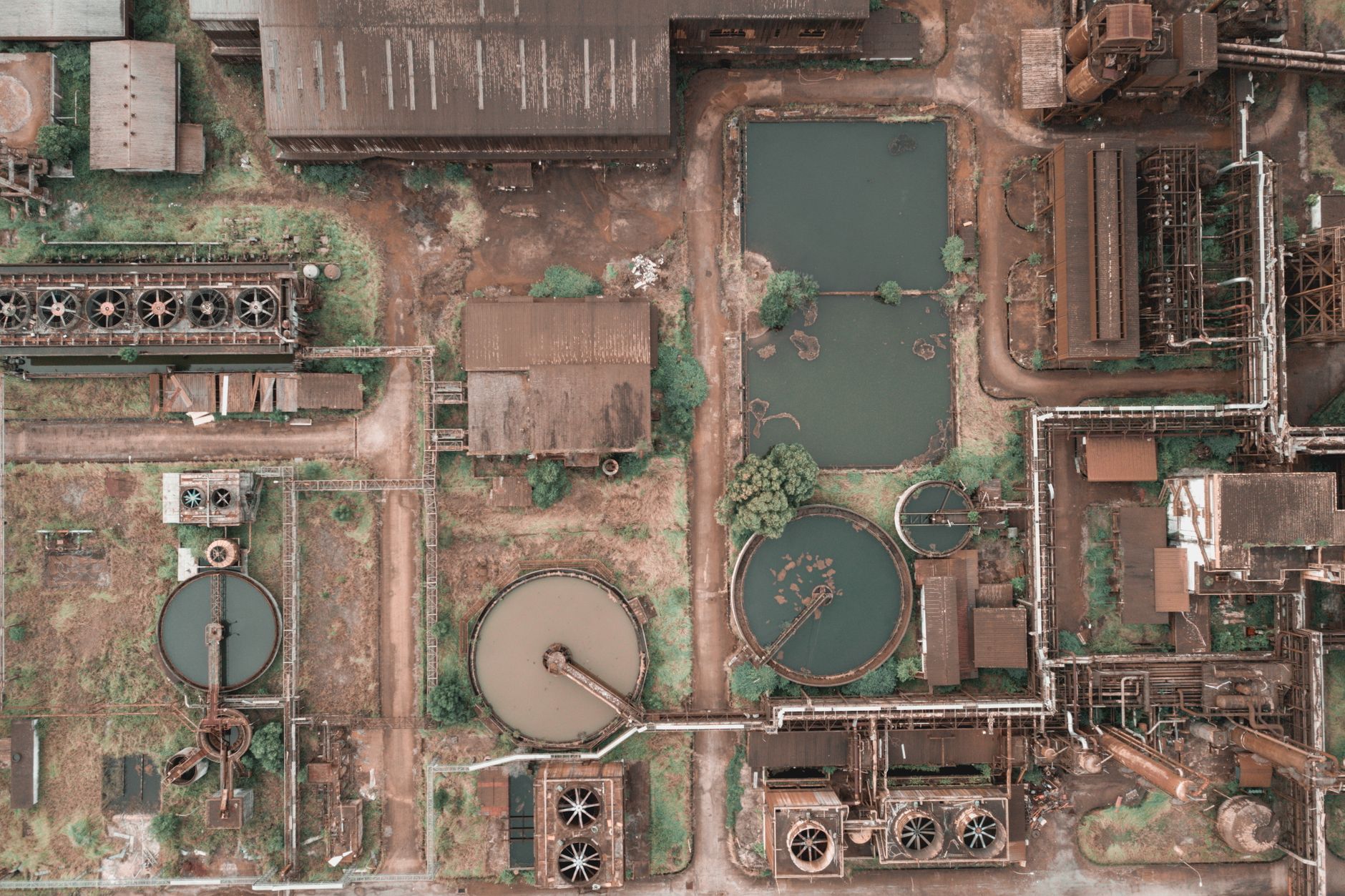
Tata’s iPhone Parts Factory Contaminated Farmland Water, India Pollution Body Alleges
In a significant environmental concern that has raised alarm bells across Tamil Nadu, India’s pollution regulatory body has alleged that a Tata-operated iPhone parts manufacturing facility has contaminated water sources in nearby farmland. This development carries serious implications for local agricultural communities, environmental sustainability, and industrial accountability in one of India’s most industrialized states.
What Exactly Happened?
The Central Pollution Control Board (CPCB) and Tamil Nadu Pollution Control Board (TNPCB) have raised serious allegations against a Tata subsidiary facility that manufactures precision components for Apple’s iPhone production. According to the pollution body’s findings, the factory’s operations have allegedly led to the contamination of groundwater and surface water sources in surrounding agricultural areas.
The contaminated water has been identified with elevated levels of chemical pollutants, heavy metals, and industrial waste byproducts. This discovery came after concerned farmers reported declining water quality and unusual discoloration of water sources in their wells and irrigation systems. Agricultural experts have connected these water quality issues to potential crop damage and health risks for farming families who depend on these water sources for daily consumption and irrigation.
Where is This Factory Located?
The facility in question is situated in Tamil Nadu, India’s electronics manufacturing powerhouse. Tamil Nadu has become the country’s leading state for smartphone and electronic component manufacturing, hosting facilities from major global brands. The state accounts for a significant portion of India’s electronics exports and employs thousands of workers in the manufacturing sector. However, this incident highlights the critical balance between industrial growth and environmental protection that the state must maintain.
The specific location near agricultural land means that the contamination directly affects farmers whose livelihoods depend on clean water for crop cultivation. This rural-industrial intersection has become a flashpoint for environmental concerns, particularly in Tamil Nadu where water scarcity is already a pressing issue.
Why Should Indians Care About This?
This incident matters to Indians for several compelling reasons. First, water contamination in agricultural areas threatens food security. India’s farming communities produce the food that feeds the nation, and water pollution directly impacts crop yields and safety of the produce. When industrial facilities contaminate farmland water, it creates a cascading effect that reaches dinner tables across the country.
Second, this raises questions about corporate accountability and environmental compliance. Tata Group is one of India’s most respected conglomerates, and its operations set a precedent for industrial practices across the nation. If a major corporation like Tata faces such allegations, it signals potential gaps in environmental monitoring and enforcement across India’s industrial sector.
Third, this impacts workers and local communities. Manufacturing facilities employing thousands of workers create economic opportunities, but not at the cost of environmental damage. Workers and their families drink the same contaminated water as farming communities. The incident raises important questions about corporate social responsibility and ethical business practices in India’s growing tech manufacturing sector.
The iPhone Connection and India’s Tech Ambitions
India has been aggressively pursuing smartphone manufacturing as part of its “Make in India” initiative and production-linked incentive (PLI) scheme. The government aims to reduce dependence on Chinese electronics manufacturing and position India as a viable alternative for global brands like Apple. Tata’s involvement in iPhone component manufacturing represents India’s growing capabilities in precision manufacturing and electronic production.
However, this contamination incident threatens to undermine these ambitions by raising environmental concerns about industrial expansion. If factories manufacturing products for global brands cannot maintain environmental standards, it creates reputational risks and questions the sustainability of India’s manufacturing growth strategy.
What Do the Pollution Bodies Say?
The CPCB and TNPCB have initiated investigations and issued notices to the facility. Preliminary reports suggest inadequate waste management systems and insufficient water treatment protocols. The regulatory bodies are demanding immediate corrective action, including remediation of contaminated water sources and implementation of stronger environmental safeguards.
This is not an isolated case. Environmental organizations have raised concerns about industrial water contamination across Tamil Nadu’s manufacturing hubs. The state’s rapid industrialization has often outpaced environmental infrastructure development, creating situations where factories operate without adequate pollution control measures.
What Happens Next?
The Tata facility faces potential penalties, mandatory environmental remediation, and operational restrictions. The company is expected to invest in advanced water treatment systems and implement stricter waste management protocols. Affected farmers may pursue compensation claims, though the legal process in India can be lengthy.
This incident will likely trigger stricter environmental monitoring of electronics manufacturing facilities across Tamil Nadu and other industrial states. Regulators may also strengthen environmental impact assessment requirements for future industrial projects.
Practical Advice for Readers
For Farmers in Industrial Areas: If you notice changes in water color, taste, or odor, get your water tested immediately through government laboratories or certified private labs. Document any crop damage with photographs and maintain records for potential compensation claims.
For Residents: Consider using water purification systems, particularly if you live near industrial facilities. Reverse osmosis (RO) systems can help remove heavy metals and chemical contaminants from drinking water. You can view water purification options on Amazon India for home installation.
For All Citizens: Support environmental accountability by staying informed about industrial activities in your areas. Report environmental violations to pollution control boards. Support grassroots environmental initiatives and NGOs working on water quality issues. Remember that environmental protection is everyone’s responsibility, and corporate accountability strengthens our democracy.
This incident reminds us that economic growth and environmental protection must go hand-in-hand. India’s manufacturing future depends on building sustainable industrial practices today.