Bitcoin Holds Near $64,000 as Falling Oil Prices and US-Iran Peace Hopes Lift Risk Sentiment
The cryptocurrency market has shown renewed strength this week, with Bitcoin maintaining its position near the $64,000 mark. This stability comes amid a fascinating confluence of global economic events: plummeting oil prices and growing optimism around US-Iran diplomatic negotiations. For Indian investors, particularly those in Tamil Nadu’s bustling financial hubs like Chennai, this development signals an important shift in global risk appetite that could have direct implications for their investment portfolios.
What’s Happening to Bitcoin Right Now?
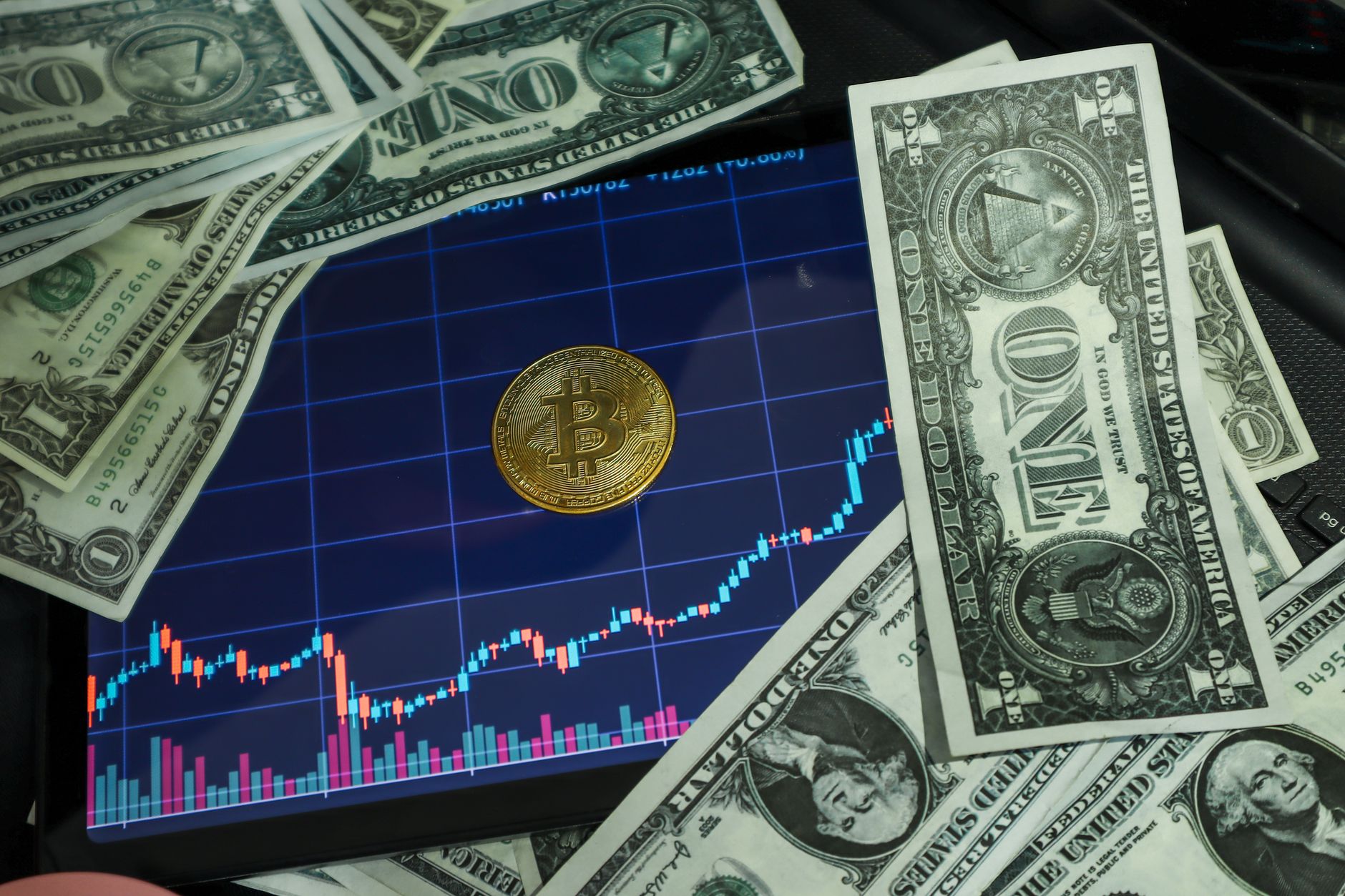
Bitcoin has been consolidating near $64,000 after a volatile period earlier this year. The world’s largest cryptocurrency by market capitalization is showing resilience despite macroeconomic headwinds that typically weigh on risk assets. This price stability is significant because it suggests that investors are regaining confidence in digital assets-a dramatic turnaround from the pessimism that dominated markets just weeks ago.
The cryptocurrency has found support around this level, with traders watching closely for any break above $65,000 or below $62,000. For Indian retail investors who’ve been watching the crypto space nervously, this consolidation phase offers a period of relative calm to assess their positions and consider their next moves.
Why Are Oil Prices Falling?
Oil prices have taken a notable dip recently, with crude trading significantly lower than peaks seen earlier in the year. This decline stems from several factors: softer-than-expected global demand, increased production from various regions, and most importantly, reduced geopolitical risk premiums.
Lower oil prices are typically good news for oil-importing nations like India. Indians already know the relief of falling fuel prices at the pump-petrol and diesel prices have become less of a burden on household budgets and business operations. This directly impacts inflation, which the Reserve Bank of India (RBI) closely monitors. When oil prices fall, inflation moderates, potentially creating space for interest rate cuts that could benefit borrowers across India.
For Chennai specifically, a major port city and industrial hub, lower oil prices reduce logistics costs for businesses and exports, improving competitiveness in global markets.
The US-Iran Peace Hopes Factor
Perhaps more fascinating is the rising optimism around US-Iran diplomatic talks. For years, tensions between these two powers have added a “geopolitical risk premium” to oil prices and created uncertainty in global markets. Even the threat of conflict in the Middle East sends oil prices soaring and spooks investors worldwide.
Recent signals suggesting potential negotiations have significantly eased these tensions. If diplomatic efforts succeed, it could usher in a longer period of Middle Eastern stability, potentially allowing major oil exporters in the region to increase production without fear of conflict disrupting markets.
This peace optimism has a ripple effect: when geopolitical risks recede, investors feel more comfortable deploying capital into riskier assets like cryptocurrencies, emerging market stocks, and growth-oriented investments-the exact assets that have been under pressure due to uncertainty.
What This Means for Indian Investors
For Indians managing their investment portfolios, these developments create several implications. First, the falling oil prices should help moderate inflation, making it easier for the RBI to maintain or even reduce interest rates. This could benefit stock market valuations and make fixed-income investments less attractive relative to equities and digital assets.
Second, the improvement in global risk sentiment means that money is likely to flow back into emerging markets like India. The Indian stock market has been a beneficiary of such flows, with indices like Sensex and Nifty showing strength when global risk appetite improves.
Third, for those interested in cryptocurrency, the current price stability near $64,000 represents a potential entry point or rebalancing opportunity, though investors should remember that crypto remains highly volatile and speculative.
Chennai’s Perspective on Global Markets
Tamil Nadu, as India’s second-largest economy by some measures, is deeply integrated into global supply chains. The state’s textile, automobile, and chemical industries benefit enormously from stable oil prices and peaceful geopolitical conditions. Lower fuel costs improve manufacturing margins, while reduced geopolitical uncertainty makes it easier for exporters to plan ahead and secure international orders.
For Chennai’s growing fintech and startup ecosystem, improved global sentiment could also boost investor funding and acquisitions of Indian tech companies.
Key Takeaways for Your Investment Strategy
Monitor Oil Prices: Keep an eye on crude oil-it’s an important indicator of global sentiment and Indian inflation.
Stay Informed on Geopolitics: Middle East stability (or lack thereof) directly affects your investments through multiple channels.
Consider Your Risk Tolerance: While Bitcoin’s stability is encouraging, remember it remains a volatile, speculative asset. Don’t invest more than you can afford to lose.
Diversify Appropriately: Rather than betting heavily on any single asset class, consider a balanced portfolio aligned with your age, goals, and risk tolerance. If you’re interested in cryptocurrency exposure, consider starting with small, regular investments rather than lump-sum bets.
Consult Before Acting: Before making significant investment changes based on headlines, speak with a qualified financial advisor who understands your personal situation.
Looking Ahead
Bitcoin’s steadiness near $64,000, coupled with falling oil prices and peace optimism, suggests we may be entering a period of improved global economic sentiment. For Indian investors, this creates both opportunities and risks. The key is staying informed, diversified, and patient-remembering that investment success rarely comes from chasing headlines, but from disciplined, long-term planning.
Whether you’re in Chennai, Bangalore, or anywhere across India, these global developments should inform your investment thesis, but shouldn’t make you abandon sound financial principles. As always, invest wisely and within your means.