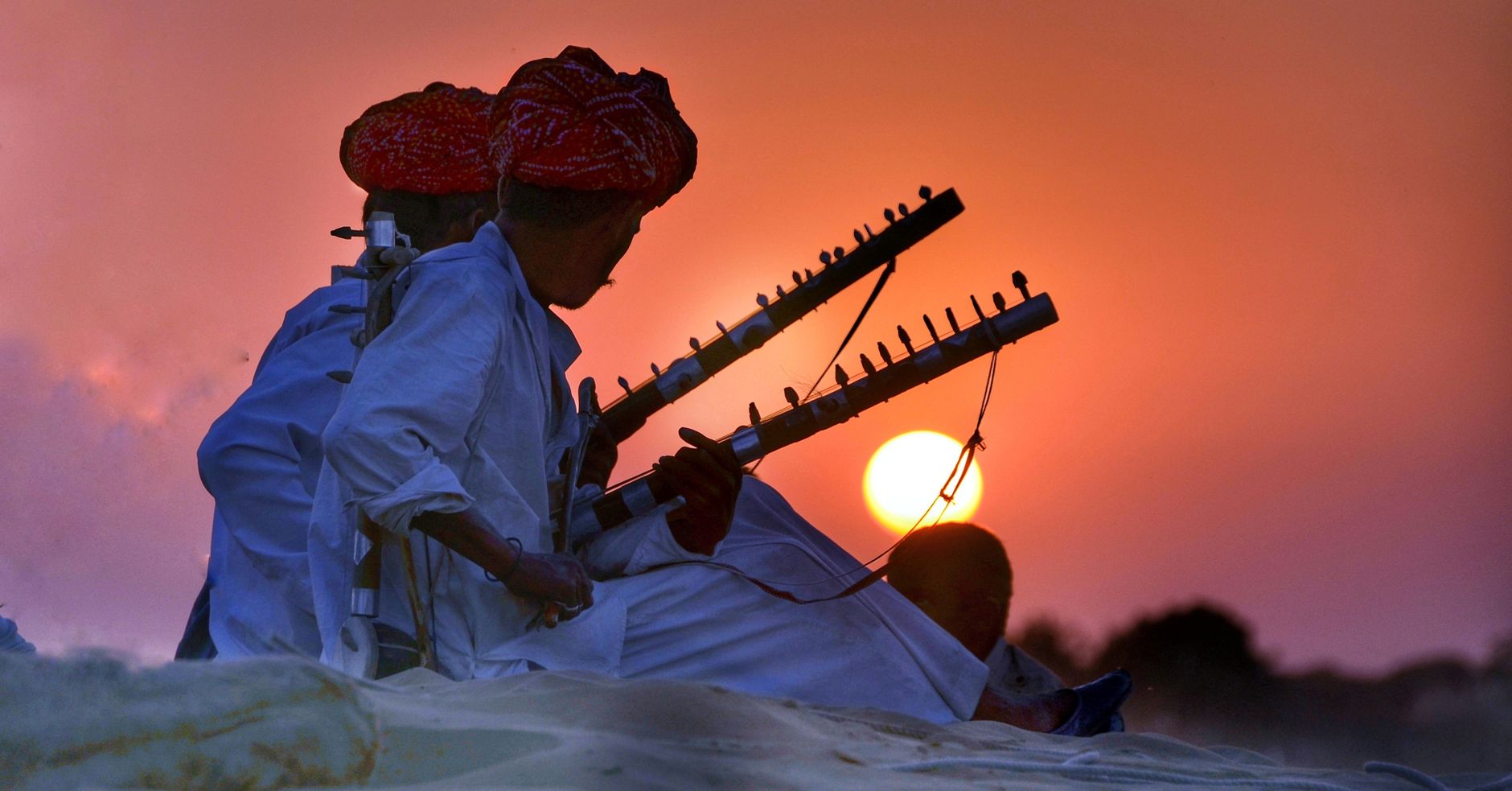
Understanding Khayal: The Soul of Hindustani Classical Music and Its Secret Masters
If you’ve ever sat mesmerized at a classical music concert, your heart swelling with emotion as a singer effortlessly navigated complex raags for forty minutes straight, chances are you were experiencing khayal – perhaps India’s most sophisticated and deeply expressive vocal tradition. Yet for many Indians, especially those outside the classical music circle, khayal remains a beautiful mystery. This ancient art form, which has produced some of the greatest musicians in Indian history, deserves to be understood not just as music, but as a living philosophy.
At NammaNewz, we believe that understanding our cultural treasures makes us better guardians of them. Today, we’re unraveling the secrets of khayal and introducing you to the legendary masters who shaped this magnificent tradition – including the brilliant musicians keeping it alive right here in Chennai and Tamil Nadu.
What Exactly Is Khayal? Breaking Down the Basics
The word ‘khayal’ comes from Persian, meaning ‘imagination’ or ‘thought.’ And that’s precisely what makes it special. Unlike some classical forms that strictly follow pre-composed structures, khayal gives performers the creative freedom to improvise extensively while staying rooted in a raag’s fundamental rules.
Think of it this way: if classical music were a language, khayal would be poetry. It follows grammatical rules (the raag framework), but within those boundaries, a master can paint entire worlds with their voice. The singer explores the raag gradually, starting with the lower notes and ascending to higher ones, all while maintaining perfect rhythm with the tabla player’s percussion.
Khayal performances typically have two sections: the ‘bada khayal’ (slow composition with elaborate improvisation) and the ‘chota khayal’ (faster, more playful section). Each can last anywhere from 15 minutes to an hour, depending on the artist’s creativity and the audience’s engagement.
The Secret Masters Who Built Khayal’s Foundation
Every art form has architects. For khayal, these were visionaries who understood that music’s power lay not in rigid perfection, but in human emotion expressed through sound. The tradition truly crystallized during the Mughal era and flourished under patrons like Muhammad Shah Rangila and later courts across North India.
Amir Khusrau (1253-1325), the legendary Sufi poet and musician, is often credited with pioneering the conceptual foundations of khayal, blending Persian and Indian musical traditions. However, khayal as we know it today was refined by great masters of the 18th and 19th centuries.
Niyamat Khan (also known as Sadarang), who served Muhammad Shah Rangila, is recognized as one of the earliest great khayal exponents. He established many of the improvisational techniques that define the form today. His student Adarang further developed these approaches.
Later, maestros like Tansen‘s descendants, Tanras Khan, and legendary singers like Faiyyaz Khan and Abdul Karim Khan created distinctive ‘gharanas’ (schools) – the Agra Gharana and Kirana Gharana being among the most celebrated. Each gharana had its own signature style, ornamentation preferences, and musical philosophy passed down through generations.
Khayal’s Living Legacy in Chennai and Tamil Nadu
While khayal originated in North India, Chennai has emerged as a crucial hub where this tradition is not just preserved but actively evolving. The city’s sophisticated sabha culture – with institutions like The Music Academy and Madras Fine Arts Society – has created space for both Carnatic and Hindustani classical forms to flourish.
Chennai-based khayal singers and their students are now among India’s most respected practitioners. The December music season brings accomplished khayal artists to our stages, and younger musicians from Tamil Nadu are training under legendary gurus, learning the intricate techniques that took these secret masters decades to perfect.
This cross-pollination is beautiful: Chennai’s strong Carnatic foundation combined with deep khayal training is producing musicians with extraordinary versatility and depth. Several Chennai-based singers have gained national recognition, proving that exceptional khayal doesn’t require living in Delhi or Lucknow.
Why Khayal Matters in Modern India
In our fast-paced digital age, khayal offers something increasingly rare: presence. A true khayal performance demands complete attention. There are no flashy lights or dramatic costume changes – just a human voice, tabla, and sometimes sarangi or sarod, creating beauty through pure musicality.
For practitioners, khayal is spiritual discipline. For listeners, it’s meditation. In a time of anxiety and distraction, khayal reminds us of our cultural wealth and the power of focused human expression.
Practical Advice: How You Can Experience Khayal
Start with recordings: Listen to legendary recordings of Bismillah Khan, Hirabai Barodekar, or more contemporary masters. View classical music recordings on Amazon India for curated collections.
Attend live performances: During Chennai’s December season, check out The Music Academy and other sabhas. Live khayal is transformative in ways recordings cannot capture.
Take a class: Many excellent gurus in Chennai teach khayal. Even brief instruction helps you understand what you’re hearing.
Join a listening circle: Connect with other enthusiasts who can guide your exploration.
Khayal is India’s gift to the world – a sophisticated art form that proves human creativity knows no bounds when given freedom within structure. The secret masters who created it would be proud knowing their legacy lives on, from the concert halls of Delhi to the sabhas of Chennai.