Farmers and Environmentalists Oppose Proposal for Hydrocarbon Wells off Parangipettai Coast
A significant controversy is brewing along the Parangipettai coast in Tamil Nadu as local farmers, fishermen, and environmental groups have united against a proposed hydrocarbon exploration project. This development raises critical questions about balancing economic growth with environmental protection and coastal livelihoods in one of India’s most productive maritime regions.
What Is the Hydrocarbon Wells Proposal?
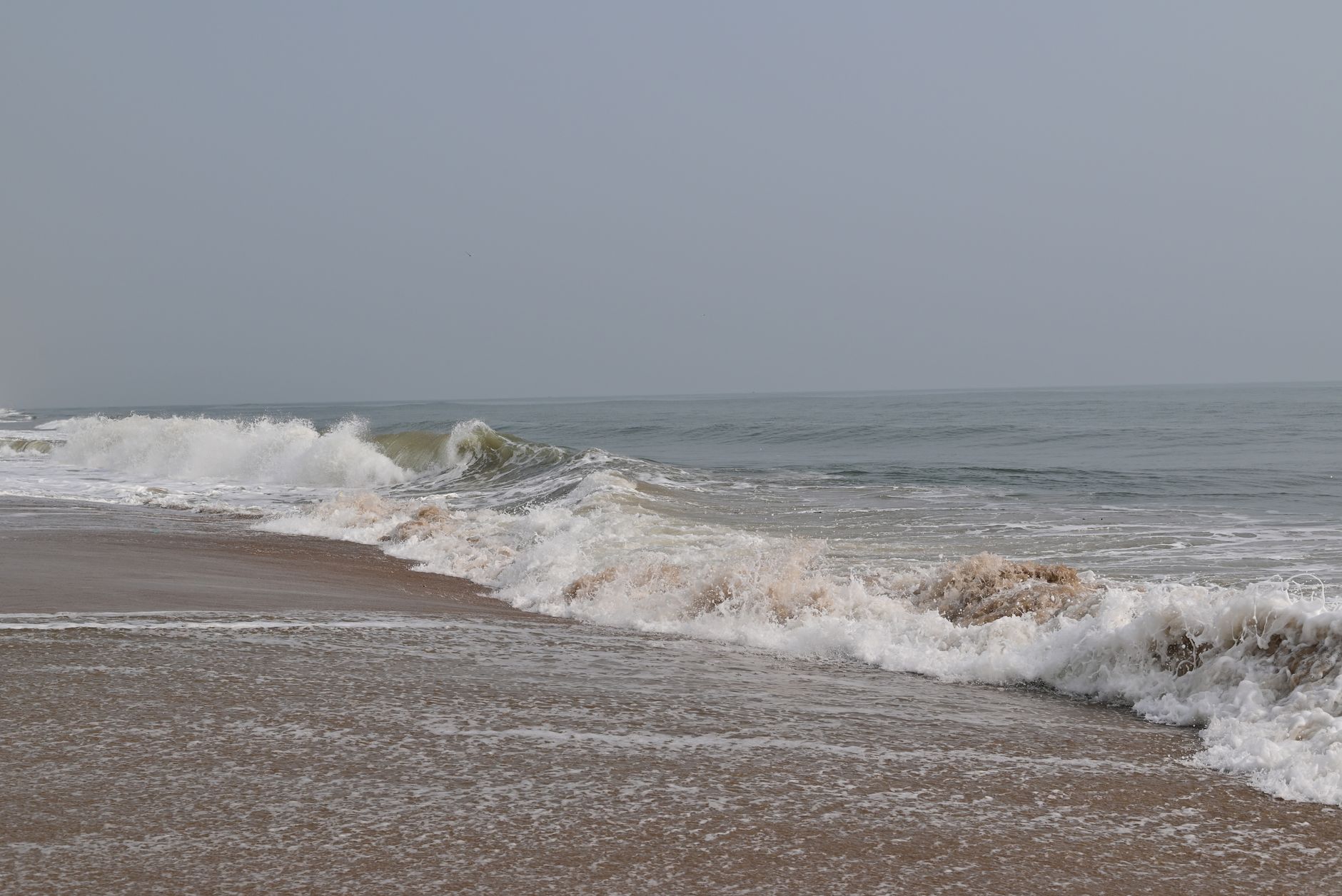
The government has put forward a proposal to establish hydrocarbon (oil and gas) wells off the coast of Parangipettai, a historically significant port town in Cuddalore district. Hydrocarbon exploration involves drilling offshore to extract crude oil and natural gas reserves. While such projects promise energy security and economic benefits, they come with substantial environmental and livelihood concerns that have triggered strong opposition from local communities.
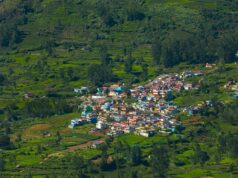
Parangipettai, also known as Porto Novo, is not just a geographical location-it’s the lifeblood of thousands of fishing families and farmers who depend on the pristine coastal waters and fertile agricultural lands. The proposed wells would operate in these very waters, creating unprecedented risks for the region.
Why Are Farmers and Fishermen Opposing This?
The opposition isn’t coming from a single group but represents a broad coalition of stakeholders whose survival depends on the health of the coastal ecosystem. Here’s why the resistance is so strong:
Threat to Fishing Livelihoods: The Parangipettai coast is home to thousands of artisanal and commercial fishermen. Hydrocarbon drilling operations would disrupt marine ecosystems, affecting fish populations and breeding grounds. Many families have fished these waters for generations, and the proposal threatens their entire economic structure.
Agricultural Impact: Farmers in the region cultivate crops dependent on clean groundwater and uncontaminated soil. Industrial operations nearby could lead to seepage and contamination, reducing soil fertility and water quality. This would directly impact agricultural productivity and food security in the region.
Pollution Concerns: Hydrocarbon extraction involves risks of oil spills, gas leaks, and chemical pollution. Given the region’s proximity to the Bay of Bengal, any environmental accident could devastate marine life and affect coastal communities across multiple districts in Tamil Nadu and beyond.
Environmental Angle: What Scientists and Activists Say
Environmental organizations have raised alarming concerns about the project’s impact on biodiversity. The Parangipettai coast and surrounding areas are ecologically sensitive, supporting various species of fish, crustaceans, sea turtles, and birds. The drilling operations would introduce noise pollution, chemical contamination, and habitat destruction.
Additionally, climate activists point out that expanding hydrocarbon exploration contradicts India’s commitments to reduce carbon emissions and transition toward renewable energy sources. With solar and wind energy becoming increasingly viable, critics question why the government is investing in fossil fuel extraction rather than clean energy alternatives.
How Does This Impact Chennai and Greater Tamil Nadu?
While Parangipettai is about 160 kilometers south of Chennai, the impact of hydrocarbon exploration wouldn’t be localized. Here’s why Chennai residents should care:
Food Security: Much of the seafood consumed in Chennai comes from coastal fishing communities like those in Parangipettai. If fish populations decline due to offshore drilling, restaurant prices will rise, and access to affordable protein will become difficult for middle and lower-income families.
Water Quality: The groundwater table in Tamil Nadu is already stressed. Any contamination from hydrocarbon operations could worsen water scarcity issues that already affect millions of Chennai residents.
Tourism and Economy: Tamil Nadu’s coastal tourism industry contributes significantly to the state’s economy. Environmental degradation would impact beach tourism and related businesses that employ thousands of people.
Air and Climate: Increased hydrocarbon extraction means more emissions and greater contribution to climate change, which intensifies monsoon unpredictability and flooding-issues Chennai has faced repeatedly.
The Government’s Position and Energy Security Argument
Proponents of the hydrocarbon project argue that India’s energy demands are growing, and domestic exploration reduces dependence on imports. They contend that with proper environmental safeguards and modern technology, drilling can be conducted responsibly. Additionally, they highlight the potential for job creation and revenue generation for the state government.
However, critics counter that India should invest more heavily in renewable energy-solar, wind, and tidal power-which could meet energy needs without environmental risks. Tamil Nadu itself has been a leader in wind energy generation, suggesting alternatives exist.
What Happens Next?
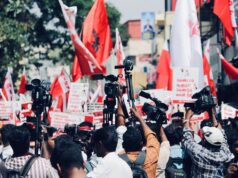
The matter is currently under review by various government departments and environmental clearance bodies. Public consultations and environmental impact assessments are underway. The concerned communities continue to organize protests and submit memorandums to government officials demanding the project’s rejection.
Practical Advice for Concerned Citizens
Stay Informed: Follow local news outlets and Tamil Nadu government announcements about this project. Understanding the facts helps you form educated opinions.
Support Local Communities: If you support the farmers and fishermen’s cause, consider signing petitions and joining awareness campaigns. Many environmental organizations welcome public participation.
Advocate for Alternatives: Engage with your elected representatives and ask them to support renewable energy investments instead of fossil fuel extraction. Letters and peaceful advocacy matter.
Make Conscious Choices: Support sustainable fishing practices and buy from local farmers when possible. Individual economic choices create collective impact.
Stay United: This issue transcends political lines-it’s about Tamil Nadu’s future. Regardless of party affiliation, coastal preservation affects all of us.
The Parangipettai hydrocarbon proposal represents a broader conversation about development, environmental responsibility, and protecting the livelihoods of Tamil Nadu’s farming and fishing communities. As citizens, our awareness and voice matter in shaping decisions that will impact generations to come.