Mettur Dam Not to Be Opened for Delta Irrigation on June 12: Understanding the Impact on Tamil Nadu
The much-anticipated opening of Mettur Dam for delta irrigation will not happen on June 12, officials announced recently, disappointing thousands of farmers across Tamil Nadu’s delta region who depend on this critical water source for their summer cultivation. This delay marks another setback for the agricultural community and raises concerns about water availability for the upcoming farming season.
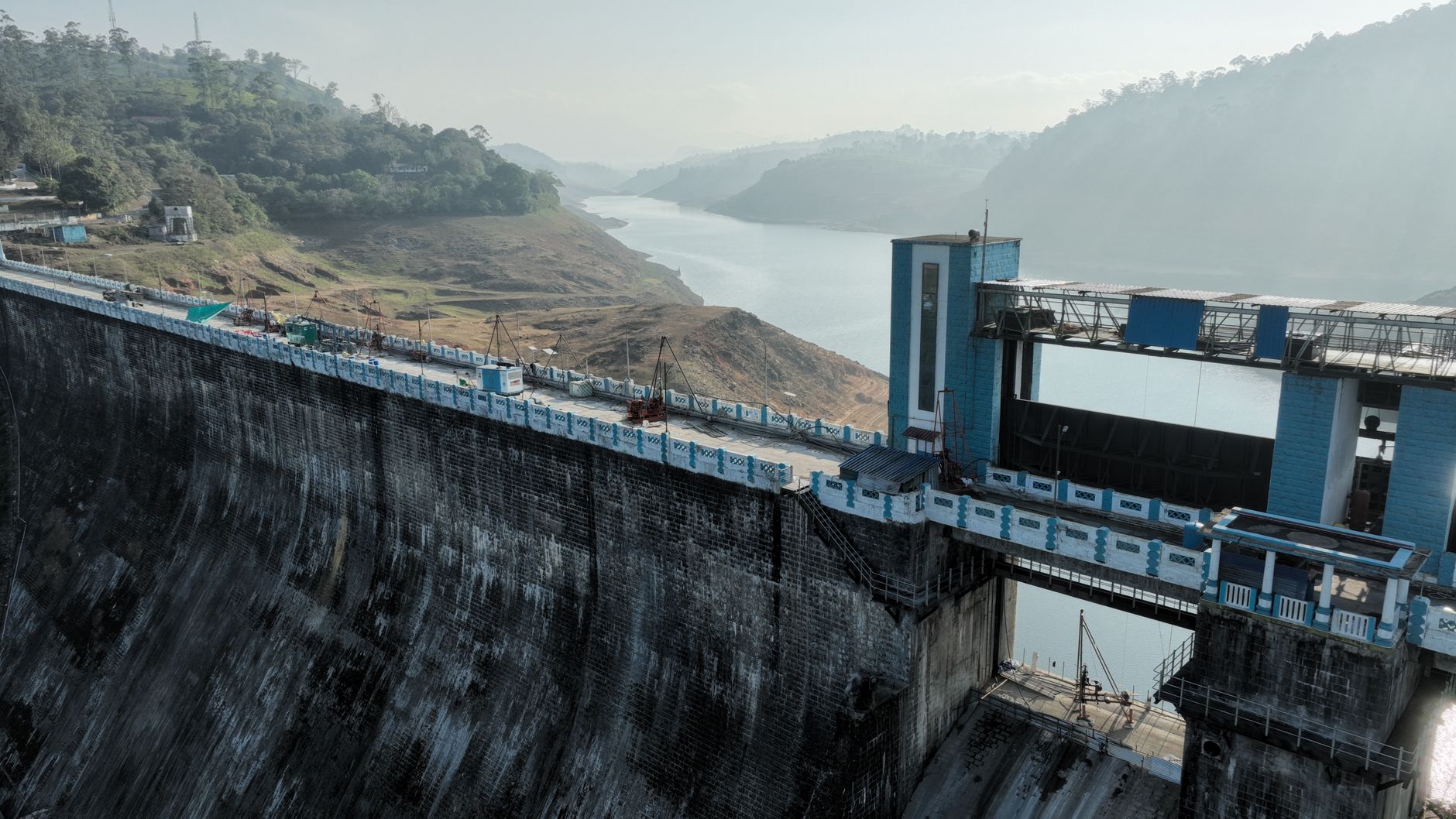
For those unfamiliar with Mettur Dam’s significance, it stands as one of Tamil Nadu’s most vital irrigation infrastructure projects. Located in Salem district, this dam supplies water to the Cauvery delta region-one of India’s most fertile agricultural zones-supporting millions of people directly and indirectly through farming, allied activities, and urban water supply.
Why June 12 Matters for Tamil Nadu Farmers
June 12 is traditionally the date when water from Mettur Dam is released for delta irrigation, marking the beginning of the crucial summer cultivation season. Farmers across the delta region-spanning districts like Thanjavur, Tiruvarur, Cuddalore, and Villupuram-prepare their fields well in advance, expecting water gates to open on this date. This is not arbitrary; it’s a carefully planned agricultural calendar refined over decades.
The delay means farmers cannot begin their summer planting as scheduled. For rice farmers particularly, this disruption is critical. Summer rice cultivation requires specific timing, and any delay cascades into reduced productivity, increased costs, and potential crop failures. A single month’s delay can mean the difference between a successful harvest and financial ruin for small and marginal farmers.
The Water Level Situation at Mettur Dam
The primary reason cited for the delay is insufficient water levels in Mettur Dam. Officials explained that the dam’s water storage has not reached the necessary threshold to ensure sustained irrigation throughout the summer season without depleting reserves dangerously. Tamil Nadu has faced erratic monsoon patterns in recent years, and this year appears no exception, with the southwest monsoon performance remaining uncertain until the gates can safely open.
The dam typically requires a minimum water level to guarantee that irrigation can continue for four to five months without interruption. Opening prematurely risks leaving the delta completely dry by mid-season, which would be catastrophic. This balancing act between farmer expectations and hydrological reality is where state water authorities find themselves in an impossible position.
Impact on Delta Region Farmers and Livelihoods
The delay creates a domino effect across the agricultural supply chain. Farmers who have already invested in seeds, fertilizers, and labor cannot proceed with their plans. Agricultural input dealers face uncertain demand. Laborers dependent on seasonal farm work lose immediate income opportunities. The ripple extends to seed companies, pesticide manufacturers, and logistics providers-all waiting for the irrigation signal to begin their seasonal operations.
Small and marginal farmers, who constitute the majority in the delta region, are particularly vulnerable. Unlike larger landholdings, they have minimal financial buffers to absorb delays or losses. Many depend on credit from cooperative banks, expecting to repay loans from summer harvest proceeds. Extended delays threaten this delicate financial ecosystem.
Chennai and Urban Water Supply Considerations
While the focus remains on delta farmers, Chennai residents should also understand how Mettur Dam relates to their water security. Though Chennai draws primarily from reservoirs like Poondi and Sholavaram, Mettur Dam plays a supporting role in Tamil Nadu’s integrated water management system. Decisions about dam releases affect the broader state water allocation strategy, potentially influencing urban water availability during critical months.
Additionally, the delay reflects broader climate and water management challenges affecting all Tamil Nadu residents. The uncertainty surrounding monsoon performance and dam water levels underscores the state’s vulnerability to changing rainfall patterns and the necessity for better water conservation and management practices at every level.
Government Response and Alternative Measures
State water resources officials have indicated they are monitoring the situation closely and will announce the new opening date once water levels improve. Simultaneously, agricultural departments are in touch with farmer organizations to minimize hardship. Some authorities are exploring alternative sources-groundwater support, canal water from other systems, and temporary allocations from nearby reservoirs-though these measures remain limited in scope.
The state government has also appealed to farmers to adjust their cropping patterns if necessary, suggesting alternative crops that require less water or different planting schedules. However, such recommendations face resistance from farmers who specialize in rice cultivation and lack expertise or resources to shift quickly.
Long-term Implications and Water Management Lessons
This recurring issue highlights Tamil Nadu’s critical need for better water management infrastructure. While Mettur Dam serves crucial functions, relying heavily on a single source creates vulnerability. Investments in rainwater harvesting, groundwater recharge, and micro-irrigation can provide buffer capacity, reducing dependency on monsoon-dependent reservoirs.
The situation also emphasizes the importance of cooperative federalism, where Tamil Nadu works closely with Karnataka-which also controls Cauvery water-to optimize utilization and ensure predictability for farmers on both sides of the border.
Practical Advice for Tamil Nadu Farmers and Residents
For Delta Region Farmers: Stay updated through official water resources department announcements rather than relying on rumors. Connect with your agricultural extension officer for guidance on adjusting planting schedules. Consider diversifying crops if possible. If you’ve taken agricultural loans, inform your bank about the irrigation delay to explore payment relief options.
For Urban Residents: Maintain water conservation habits. Even though direct impact on city supply may be limited, supporting agricultural water security indirectly supports food security and stability in the state. Consider supporting farmer welfare initiatives through cooperatives or direct purchase programs.
For Everyone: Understand that water is increasingly precious. Support policies promoting drip irrigation, efficient agriculture, and water harvesting. Vote for representatives committed to long-term water security rather than short-term political gains.
The Mettur Dam situation is not merely a technical problem; it’s a reminder that Tamil Nadu’s prosperity depends on balancing agricultural needs, urban demands, and natural resource realities. As the state navigates these complexities, citizens’ informed participation and patience will be crucial in finding sustainable solutions.