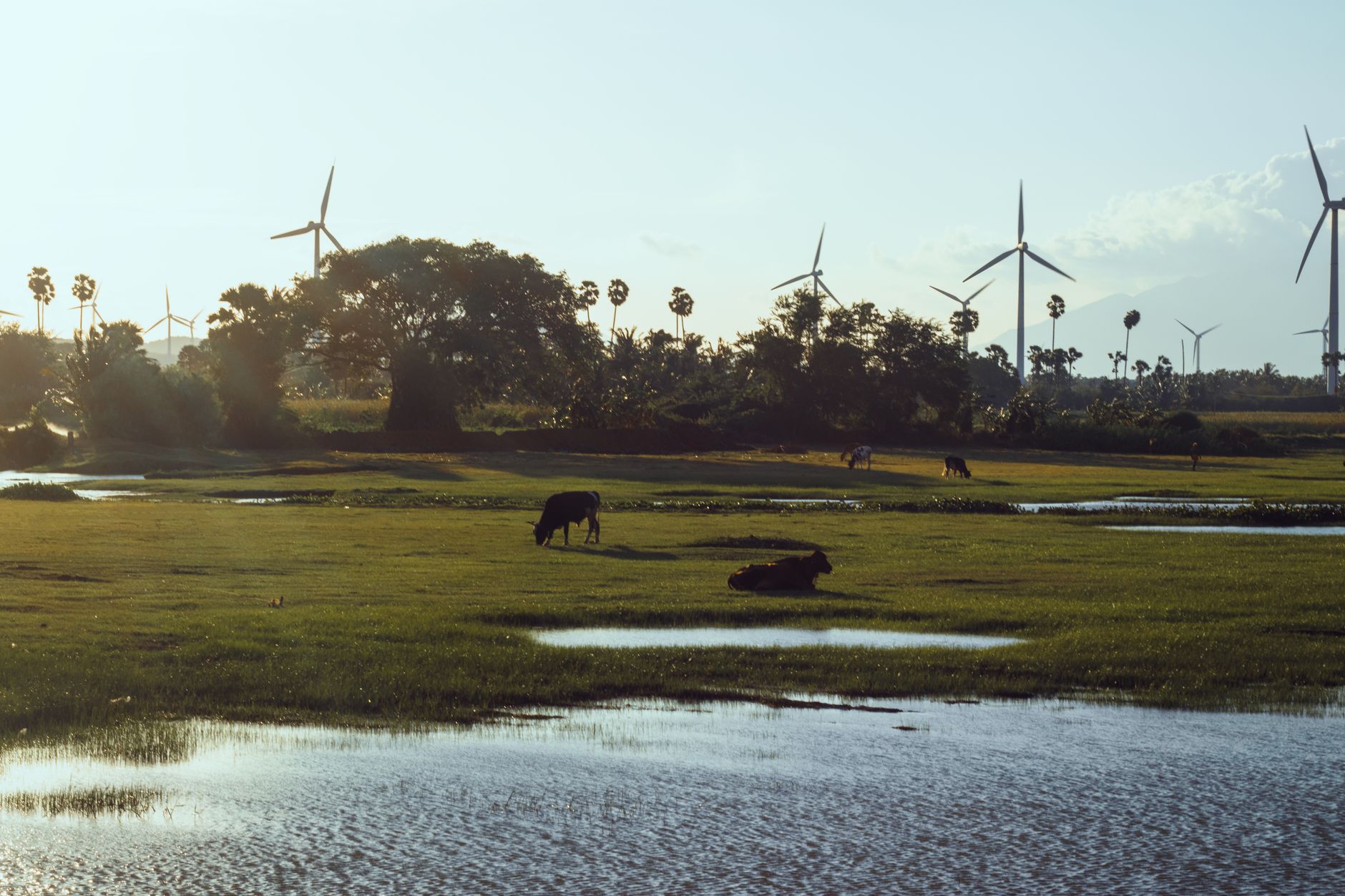
Tamil Nadu Government to Adopt Comprehensive Approach to Accelerate Clean Energy Transition: Minister Nirmalkumar
In a significant move toward environmental sustainability and energy independence, the Tamil Nadu government has announced a comprehensive approach to accelerate the clean energy transition across the state. Minister Nirmalkumar recently unveiled this ambitious plan, marking a crucial step in India’s journey toward reducing carbon emissions and building a greener future for generations to come.
Understanding the Clean Energy Transition Initiative
The Tamil Nadu government’s new comprehensive approach to clean energy marks a watershed moment for the state. This initiative encompasses multiple strategies designed to shift the state’s energy dependency from conventional fossil fuels to renewable sources like solar, wind, and hydroelectric power. Minister Nirmalkumar emphasized that this transition is not merely an environmental necessity but also an economic opportunity for Tamil Nadu.
The plan addresses the critical need for sustainable energy solutions in a state that has historically relied heavily on conventional power generation. With Chennai being one of India’s major metropolitan centers and Tamil Nadu hosting numerous industries, the demand for clean, reliable energy has never been higher.
Why This Matters for Tamil Nadu and India
Tamil Nadu holds a special position in India’s renewable energy landscape. The state already contributes significantly to India’s wind energy generation, particularly in regions like Tirunelveli and Kanyakumari. However, the comprehensive approach announced by Minister Nirmalkumar aims to expand this footprint across solar, wind, and emerging renewable technologies.
For Indian readers, this development is crucial because energy security directly impacts electricity costs, industrial competitiveness, and air quality. As India aims to achieve net-zero emissions by 2070, state-level initiatives like Tamil Nadu’s become instrumental in meeting national climate goals.
The implications for Chennai are particularly significant. As the state capital and a major economic hub, Chennai’s energy demands continue to surge. A transition to clean energy will help:
- Reduce air pollution and improve public health outcomes
- Lower long-term electricity costs for residents and businesses
- Create employment opportunities in renewable energy sectors
- Attract green industries and investments to the region
- Enhance Tamil Nadu’s global standing as an eco-conscious state
Key Components of the Comprehensive Strategy
Minister Nirmalkumar’s plan reportedly includes several interconnected components. First, there’s an expansion of solar energy infrastructure, with targets for rooftop solar installations across residential and commercial properties in Chennai and other urban centers. Second, the plan emphasizes strengthening wind energy generation in coastal and elevated regions of the state.
Third, the strategy incorporates upgrading the state’s power grid infrastructure to handle distributed renewable energy sources efficiently. This is particularly important for Chennai and surrounding areas where energy demand fluctuates throughout the day.
Fourth, the initiative includes skill development programs to train workers for renewable energy installation, maintenance, and management. This creates a pathway for traditional energy sector workers to transition into clean energy jobs.
The Chennai Angle: Local Impact and Opportunities
Chennai, with its expanding population and industrial base, presents both challenges and opportunities for clean energy adoption. The city’s vulnerability to rising temperatures and water scarcity makes the shift to renewable energy particularly urgent.
Residents of Chennai can expect several positive outcomes from this comprehensive approach:
Improved Air Quality: Reduced dependence on fossil fuels will significantly improve Chennai’s air quality index, particularly during summer months when pollution levels typically spike.
Competitive Electricity Rates: As renewable energy becomes mainstream, economies of scale will eventually translate to lower electricity bills for consumers and businesses.
Economic Growth: The clean energy sector will generate new employment opportunities in manufacturing, installation, maintenance, and management roles.
Infrastructure Development: Investment in renewable energy will spur development of supporting infrastructure, from manufacturing units to research centers.
Challenges and Implementation Timeline
While the vision is compelling, implementation will require overcoming several challenges. Financing large-scale renewable energy projects, upgrading existing grid infrastructure, and managing the transition for workers in traditional energy sectors are significant hurdles.
However, Minister Nirmalkumar’s announcement suggests the government is committed to developing a phased implementation plan. The comprehensive approach indicates a long-term vision rather than rushed implementation, which bodes well for successful execution.
What This Means for Your Home and Business
If you’re a Chennai or Tamil Nadu resident, this transition offers personal opportunities. The government’s push for rooftop solar installations comes with potential subsidies and tax benefits. Businesses can leverage this transition to reduce operational costs while contributing to environmental sustainability.
For entrepreneurs, the clean energy sector presents promising business opportunities in solar installation, battery storage solutions, and energy management systems.
Practical Advice for Readers
1. Explore Rooftop Solar Options: Contact your local municipal corporation or renewable energy agencies to understand subsidies available for residential solar installations in Chennai.
2. Invest in Energy-Efficient Appliances: View energy-efficient options on Amazon India to complement future renewable energy adoption.
3. Stay Informed: Follow announcements from Tamil Nadu’s renewable energy department for subsidy schemes and implementation timelines.
4. Consider LED Upgrades: Upgrade to LED lighting on Amazon India to reduce energy consumption immediately.
5. Participate in Community Initiatives: Join local environmental groups pushing for clean energy adoption in your neighborhood.
Looking Ahead: A Greener Tamil Nadu
Minister Nirmalkumar’s comprehensive clean energy strategy represents a pivotal moment for Tamil Nadu and by extension, India’s energy future. The state’s commitment to accelerating clean energy transition demonstrates that environmental responsibility and economic development can go hand in hand.
As Chennai continues to grow and Tamil Nadu’s industries expand, this transition ensures sustainable growth that protects both the environment and future generations. For residents and businesses, the message is clear: the age of clean energy in Tamil Nadu has arrived, and participation in this transition can bring tangible benefits to your household and community.