NFHS-6 Explained: Cancer Advances & More | Your Complete Health Wrap
India’s health landscape is transforming rapidly, and if you’ve been curious about what the latest National Family Health Survey (NFHS-6) reveals about our nation’s wellbeing, you’re not alone. This week’s health wrap brings you everything you need to know about the groundbreaking NFHS-6 findings, exciting cancer treatment breakthroughs, and actionable health advice for you and your family in Tamil Nadu and beyond.
What is NFHS-6 and Why Should You Care?
The National Family Health Survey (NFHS) is India’s most comprehensive household survey on health, nutrition, and family planning. NFHS-6, the latest iteration, provides critical data on maternal health, child nutrition, reproductive health, and lifestyle diseases across all Indian states and union territories.
This survey matters because it directly influences government health policies, funding allocation, and public health initiatives. For Tamil Nadu residents, NFHS-6 data shows our state’s progress in key health indicators compared to national averages, helping identify where we’re excelling and where we need improvement.
The data collection involved over 700,000 households and millions of respondents, making it the most robust health snapshot of India since NFHS-5. Whether you’re a parent concerned about child malnutrition, a woman interested in maternal health outcomes, or simply curious about public health trends, NFHS-6 contains insights that directly affect you.
Key NFHS-6 Findings: A Closer Look at India’s Health Status
NFHS-6 reveals several important trends. Child malnutrition rates, though improving, still remain a concern in several states. The survey shows variations in institutional deliveries, immunization coverage, and access to contraception across regions.
For Tamil Nadu specifically, the state continues to perform better than national averages in several health metrics. Our state has shown consistent improvement in institutional delivery rates and childhood immunization coverage. However, the survey also highlights disparities in rural versus urban health outcomes, particularly in accessing quality healthcare services.
One significant finding is the data on anemia among women and children. NFHS-6 shows that while awareness about nutrition has improved, implementation remains challenging in many communities. This is particularly relevant for Chennai and surrounding areas where urbanization hasn’t necessarily translated to better nutritional outcomes for all demographic groups.
Cancer Treatment Breakthroughs: What’s New in Oncology
While NFHS-6 focuses on population-level health trends, recent advances in cancer treatment offer hope to millions. The global and Indian medical communities have made significant strides in personalized medicine and immunotherapy.
Recent breakthroughs include enhanced targeted therapy options for breast cancer, improved immunotherapy protocols for lung cancer, and new treatment combinations that have shown promising results in clinical trials. Indian hospitals, particularly in metropolitan areas like Chennai, are now offering these advanced treatments, making cutting-edge oncology more accessible.
CAR-T cell therapy, once available only in Western countries, is now being offered in select Indian medical centers. This personalized cancer treatment involves modifying a patient’s own immune cells to fight cancer. Additionally, liquid biopsies-blood tests that can detect cancer markers early-are becoming more widely available and affordable in India.
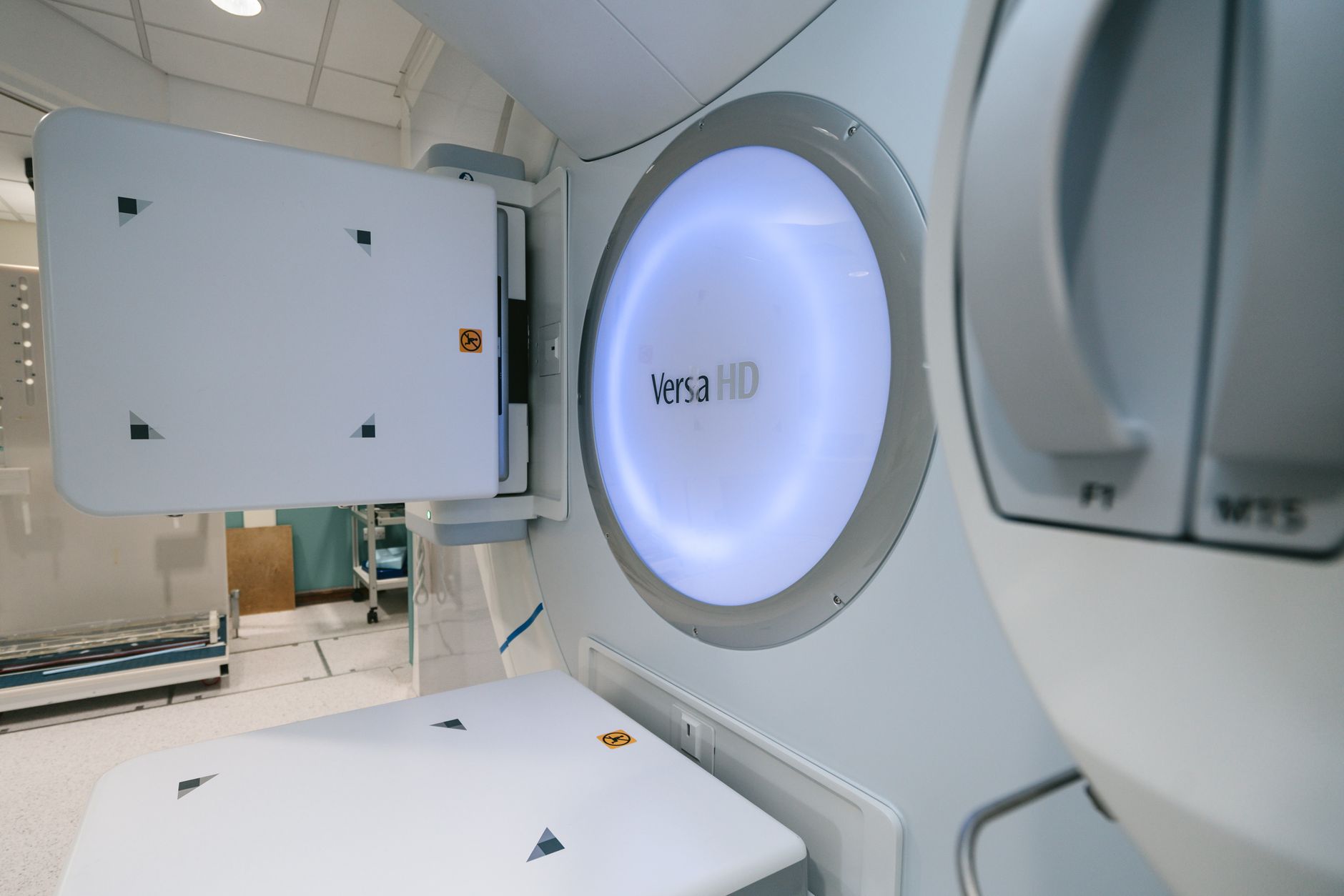
For Tamil Nadu patients, several premier institutions in Chennai are now equipped with advanced radiotherapy machines, genomic testing facilities, and specialized oncology teams. These developments mean better survival rates and improved quality of life during treatment for cancer patients in our state.
Health Disparities: What NFHS-6 Reveals About Inequality
Beyond the headline numbers, NFHS-6 exposes persistent health disparities. Rural populations have lower access to quality healthcare, maternal mortality remains higher in certain states, and women’s health outcomes vary significantly based on education and economic status.
In Tamil Nadu, while overall health metrics are favorable, pockets of rural areas still struggle with basic healthcare infrastructure. The survey underscores the need for continued investment in primary health centers, mobile health clinics, and telemedicine services to bridge these gaps.
Practical Health Advice for Readers: What You Can Do Now
1. Nutrition Matters More Than Ever: NFHS-6 data emphasizes nutrition’s critical role. Ensure your family gets adequate iron-rich foods, calcium, and proteins. In Chennai’s context, incorporating locally available foods like moringa, millets, and seasonal vegetables can address nutritional gaps affordably.
2. Regular Health Check-ups: With cancer advances available, early detection is now more important. Women above 40 should consider regular mammograms; men over 50 should get prostate screenings. Both should discuss cancer risk assessments with their doctors.
3. Immunization for All Ages: NFHS-6 shows immunization gaps in certain populations. Ensure your children are fully vaccinated and consult your doctor about adult vaccinations, including cervical cancer vaccines for eligible women and HPV vaccines for teenagers.
4. Leverage Telemedicine: Given healthcare disparities NFHS-6 highlights, use telemedicine for routine consultations. Many Tamil Nadu hospitals now offer online consultations, making specialist advice accessible even from rural areas.
5. Mental Health Awareness: While NFHS-6 primarily focuses on physical health, mental health is increasingly important. Seek professional help if needed, and reduce stigma by talking openly about mental health concerns.
6. Cancer Prevention: With treatment advances comes the opportunity for prevention. Quit smoking, limit alcohol, maintain a healthy weight, and avoid excessive sun exposure. These simple lifestyle changes significantly reduce cancer risk.
Looking Forward: Health Policy and Your Future
NFHS-6 data will shape India’s health agenda for the coming years. Expect increased focus on nutrition programs, strengthened primary healthcare systems, and better maternal-child health initiatives. For Tamil Nadu, this means potential expansion of health services in underserved areas and more accessibility to advanced treatments like those emerging in cancer care.
The convergence of NFHS-6 insights with medical breakthroughs presents an opportunity for India to build a healthier, more equitable healthcare system. As residents of Tamil Nadu, we’re well-positioned to benefit from these developments while also addressing the inequities the survey reveals.
Stay informed about these health trends, advocate for better healthcare access in your communities, and prioritize preventive health measures for your family. Your individual health choices, multiplied across millions, can help move India toward the healthy nation we all deserve.
View on Amazon India →
* Affiliate link – we may earn a small commission at no extra cost to you
Frequently Asked Questions
What is NFHS-6 survey and what does it measure?
NFHS-6 is India’s comprehensive household survey measuring health, nutrition, and family planning. It provides critical data on maternal health, child nutrition, reproductive health, and disease prevalence across Indian states including Tamil Nadu.
How does NFHS-6 data impact Tamil Nadu health policies?
NFHS-6 findings guide Tamil Nadu’s healthcare planning, resource allocation, and public health interventions. The data helps identify health gaps, maternal mortality trends, and nutritional deficiencies to improve state-level health outcomes.
What are the latest cancer treatment advances mentioned in NFHS-6?
NFHS-6 highlights improved cancer screening rates and early detection programs across India. Recent advances include targeted immunotherapy, precision medicine, and better accessibility to cancer treatment facilities in urban and rural Tamil Nadu regions.