Slack vs Microsoft Teams India 2026: Which Communication Platform Wins for Indian Companies?
As we move deeper into 2026, Indian businesses face a critical decision when choosing their primary workplace communication tool. Two giants dominate this space: Slack and Microsoft Teams. Whether you’re running a startup in Chennai’s bustling tech corridor or managing a distributed team across India, picking the right platform can significantly impact your productivity, costs, and team collaboration. This comprehensive guide breaks down both options for Indian companies, focusing on pricing in INR, key features, and integration capabilities.
Understanding the Indian Market Context
India’s tech industry has exploded over the past few years, with cities like Bangalore, Hyderabad, Chennai, and Pune becoming global tech hubs. Remote work has become the norm rather than the exception, especially post-2020. Indian companies, from startups to enterprises, now require robust communication platforms that support multiple languages, work with Indian payment systems, and offer competitive pricing in Indian Rupees.
Chennai, in particular, has seen tremendous growth in IT services and startups. Companies here are increasingly adopting cloud-based collaboration tools. The choice between Slack and Microsoft Teams has become as important as choosing between office spaces-it’s a fundamental business decision.
Slack Pricing and Plans in India (2026)
Slack’s pricing structure in India remains competitive, though it’s worth noting that Indian companies typically pay in INR through Slack’s official pricing portal or authorized resellers.
- Free Plan: ?0 per user/month – Limited message history (90 days), basic features
- Pro Plan: Approximately ?6,500-7,000 per user/month – Full message history, unlimited integrations
- Business+ Plan: Approximately ?9,500-10,500 per user/month – Advanced security, guest access, priority support
- Enterprise Plan: Custom pricing starting from ?15,000+ per user/month
For a 50-person team in Chennai using Slack Pro, you’d spend roughly ?32.5-35 lakhs annually. This makes it pricier but feature-rich.
Microsoft Teams Pricing and Plans in India (2026)
Microsoft Teams offers more affordable entry points, especially if your company already uses Microsoft 365 subscriptions.
- Free Plan: ?0 per user/month – 60-day message history, 100-person meeting limit
- Microsoft Teams Essentials: ?180-200 per user/month – Standalone Teams subscription
- Microsoft 365 Business Basic: ?360-400 per user/month – Includes Teams + Office apps
- Microsoft 365 Business Standard: ?720-800 per user/month – Full productivity suite
- Enterprise Plans: Custom pricing starting from ?1,200+ per user/month
The same 50-person team using Microsoft 365 Business Basic would cost approximately ?21.6-24 lakhs annually-notably cheaper than Slack.
Key Features Comparison
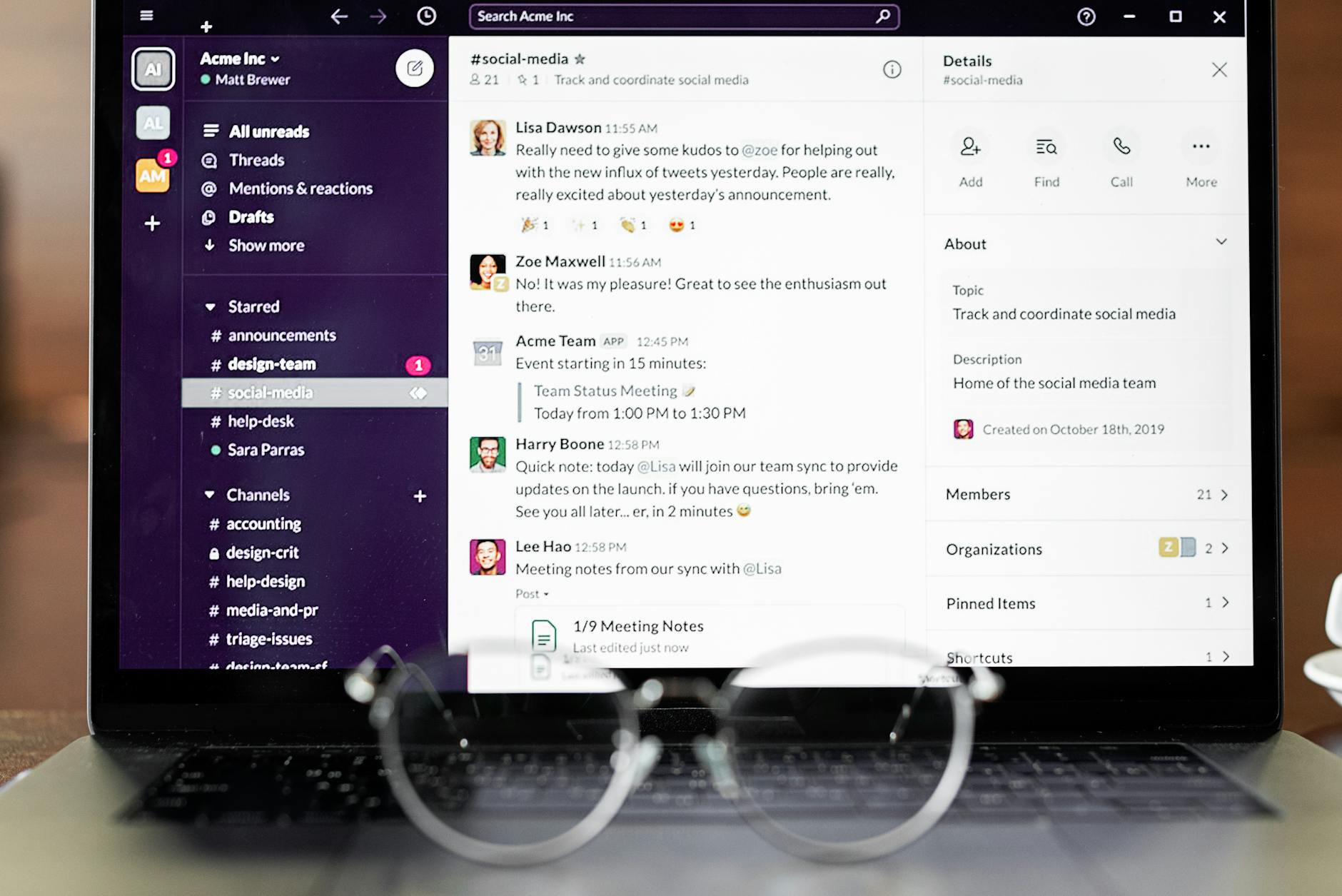
Slack’s Strengths: Slack excels in simplicity and user interface. The platform is intuitive, making onboarding quick for Indian teams unfamiliar with enterprise tools. It offers superior search functionality, better external communication features, and a massive app ecosystem with over 2,400 integrations. Slack’s channel-based organization is cleaner for large teams.
Microsoft Teams’ Strengths: Teams shines for companies already embedded in the Microsoft ecosystem. Integration with OneDrive, SharePoint, Office 365, and Outlook is seamless. For Indian companies using Windows environments extensively, this is a significant advantage. Teams also includes video conferencing with up to 300 participants at no extra cost, whereas Slack requires Slack Calls or third-party apps.
Integration Capabilities
Slack supports integrations with virtually every SaaS tool you can imagine-from Salesforce to HubSpot, Jira to Asana, and countless Indian tools and services. This flexibility appeals to startups that use diverse toolsets.
Microsoft Teams integrates deeply with Microsoft services but also connects well with many third-party applications. However, non-Microsoft integrations sometimes require more setup. For companies using SAP or Oracle systems common in Indian enterprises, Teams’ integration capabilities might lag behind Slack.
Language Support and Localization
Both platforms support Hindi and Tamil, though neither has perfect support for Tamil colloquial usage. For Chennai and Tamil Nadu-based teams, this is worth considering. Slack’s interface translations are slightly more polished, but Teams is catching up.
Security and Compliance for Indian Companies
Both platforms comply with Indian data protection requirements and offer end-to-end encryption. Microsoft Teams benefits from Microsoft’s robust security infrastructure and compliance with government security standards. Slack has been steadily improving its security posture and now offers SOC 2 compliance and data residency options within India.
Customer Support in India
Microsoft provides local customer support in India through regional offices in major cities. Slack’s support is primarily email-based and English-only, though response times are reasonable. For companies needing hands-on support, Microsoft Teams has an edge.
Verdict: Which Should Indian Companies Choose?
Choose Slack if: You’re a startup or SME prioritizing simplicity, require extensive third-party integrations, want superior user experience, or operate in a non-Microsoft ecosystem. Chennai’s growing startup scene has many Slack advocates for these reasons.
Choose Microsoft Teams if: Your company already uses Microsoft 365, has a Windows-dominant environment, needs cost efficiency, requires enterprise-grade support, or operates in traditional industries where Microsoft dominance is strong.
Final Recommendation
For most Indian companies in 2026, Microsoft Teams emerges as the more practical choice. The cost advantage is substantial-Teams is 30-35% cheaper than Slack for comparable features. Unless your organization has a specific need for Slack’s integration ecosystem or superior UI, the savings alone justify the switch. Microsoft’s investment in local infrastructure, Indian customer support, and continuous feature parity with Slack makes it increasingly competitive.
However, if you’re a startup with a lean budget and diverse tool stack, Slack’s free plan offers more functionality than Teams’ free offering, making it an excellent starting point. As you scale, you can reassess.
The best choice ultimately depends on your existing tech stack, budget constraints, and team preferences. But for the average Indian company weighing these options in 2026, Microsoft Teams delivers superior value.
View on Amazon India →
* Affiliate link – we may earn a small commission at no extra cost to you
Frequently Asked Questions
Which is cheaper for Indian companies, Slack or Microsoft Teams?
Microsoft Teams offers better value for Indian businesses with bundled Office 365 plans starting at ?360/month. Slack’s standalone pricing starts at ?680/month, making Teams more cost-effective for most Indian SMEs and startups.
Does Microsoft Teams work well with Indian internet speeds?
Yes, both platforms optimize for varying bandwidth. Microsoft Teams performs slightly better on slower connections (2-3 Mbps typical in India), while Slack requires stable 4+ Mbps for optimal video quality.
Can I use Slack or Teams offline in India?
Microsoft Teams offers limited offline messaging and access to cached content. Slack requires active internet connection. Teams is better for areas with frequent connectivity issues common in Indian offices.
Which platform integrates better with Indian business tools?
Both support popular Indian accounting software like Tally and Zoho. Teams integrates deeper with Microsoft ecosystem (Excel, SharePoint). Slack excels with 2000+ third-party app integrations including GST compliance tools.