Ready to Move vs Under Construction Flats Chennai 2026: Complete Comparison Guide
Buying a flat in Chennai is one of the biggest financial decisions Indian families make. Whether you’re looking for a home in Velachery, Adyar, T. Nagar, or the emerging localities like Siruseri and Mahindra World City, the choice between ready-to-move and under-construction properties can significantly impact your investment returns and lifestyle. As we head into 2026, Chennai’s real estate market is buzzing with options. Let’s break down both options to help you make the right decision.
What Are Ready-to-Move Flats?
Ready-to-move flats are completed properties where you can get possession immediately or within a few months of purchase. These are fully constructed, often furnished or semi-furnished, with all approvals from the local municipality and Chennai Metropolitan Development Authority (CMDA). You can walk into your flat, check every detail, and move your family within weeks.
In Chennai, ready-to-move properties are available across established neighborhoods like Nungambakkam, Anna Nagar, and OMR corridor areas. Prices typically range from ?50 lakh for a 2-bedroom flat in peripheral areas to ?2 crore+ for premium 3-4 bedroom units in central locations.
Understanding Under-Construction Flats
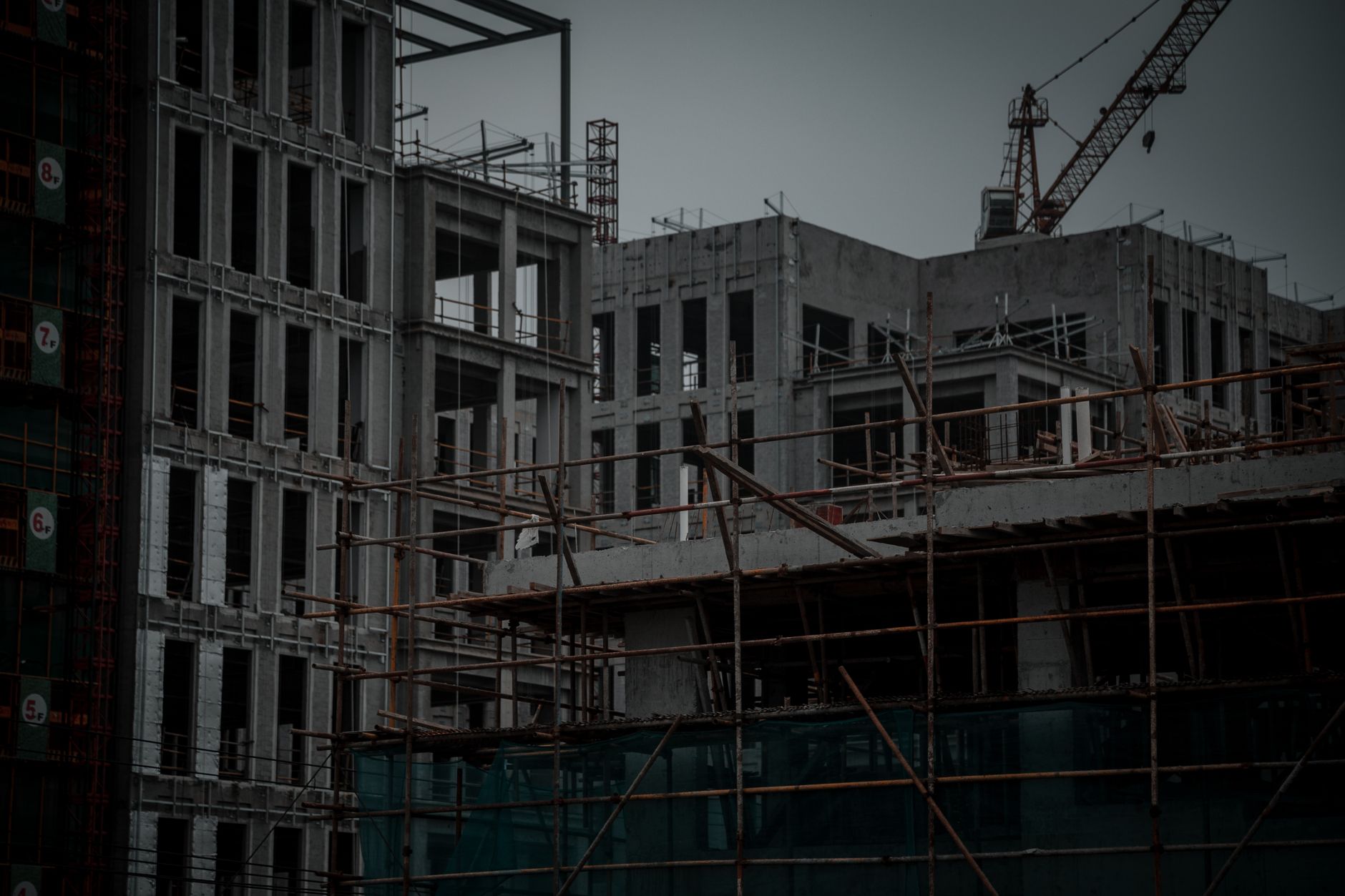
Under-construction (UC) properties are apartments still being built. You purchase them during the construction phase and receive possession after completion, usually 2-4 years later. These projects range from foundation stage to near-completion phases when you buy. Developers offer attractive payment plans spread across the construction period.
In Chennai, under-construction projects are abundant in emerging areas like Vandalur, Kelambakkam, and the Sriperumbudur corridor. Prices for similar specifications are typically 20-30% lower than ready-to-move properties in comparable locations.
Price Comparison: Ready-to-Move vs Under-Construction
Here’s where the math gets interesting for Chennai homebuyers. For a similar 2-bedroom, 1000 sq ft apartment:
Ready-to-Move (Established Area): ?70-90 lakh
Under-Construction (Emerging Area): ?50-65 lakh
This 20-30% price difference is one of the biggest advantages of under-construction properties. However, you need to factor in the time value of money and inflation. By the time you get possession in 2-3 years, that saved amount could grow further if invested wisely, but you also won’t have a place to live during that period.
GST Impact on Both Property Types
GST applicability is crucial for Chennai real estate buyers. Here’s the current scenario:
Ready-to-Move Flats: Generally GST-exempt if purchased directly from the original owner. However, if buying from a reseller, you might face different tax implications depending on the registration date and original purchase price.
Under-Construction Flats: Subject to 5% GST if the property is under ?45 lakh, and 12% GST above that. This GST is added to the property cost. For a ?60 lakh under-construction flat, you’d pay approximately ?7.2 lakh additional as GST (12%).
The good news? You can claim ITC (Input Tax Credit) on GST paid, which builders often adjust in final payments. Always clarify GST terms with your builder before signing agreements.
Home Loan Eligibility and Approval
Banks and NBFCs in Chennai treat both property types differently:
Ready-to-Move Advantages: Banks readily approve loans (up to 80-90% of property value) because the property exists and can be inspected. Loan processing is faster. You can immediately apply for a home loan against the property.
Under-Construction Challenges: Banks approve only up to 80% of the registered property value. They release funds in installments matching construction progress. Loan approvals might be stricter, and some banks have specific builders’ lists they lend against. For under-construction properties, expect 1-2 weeks longer approval time.
Risk Analysis: Which Property Type is Safer?
Ready-to-Move Risks:
- What you see is what you get-limited scope for improvement
- Structural issues might not be apparent immediately
- Seller’s claims about amenities need verification
- Maintenance dues and pending litigation must be checked
Under-Construction Risks:
- Delays in construction completion (very common in Chennai projects)
- Quality variations during construction phases
- Developer financial stability concerns
- RERA violations and disputes
- Interest payments on loans during construction period
For under-construction properties, always check the developer’s track record, RERA registration, project insurance, and buyer agreements thoroughly. Many Tamil Nadu developers have faced delays, so verify completion timelines realistically.
Investment Returns and Appreciation
Under-construction properties typically appreciate faster during the construction period due to the discounted initial price. A flat bought at ?50 lakh under-construction might appreciate to ?65-70 lakh by completion, giving you 30-40% returns.
Ready-to-move properties appreciate slower but steadily-typically 5-8% annually in Chennai. However, you start enjoying the property immediately, avoiding rent payments, which provides lifestyle benefits.
Tax Benefits and Deductions
Both property types qualify for income tax deductions under Section 24 (interest on home loan) and Section 80C (principal repayment up to ?1.5 lakh annually). No difference here, but under-construction properties allow deductions during the construction period itself.
Final Recommendation for Chennai Homebuyers in 2026
Choose Ready-to-Move if: You need immediate accommodation, have limited patience for delays, prefer guaranteed quality inspection, and value lifestyle benefits over investment returns. This suits families relocating to Chennai for work.
Choose Under-Construction if: You’re primarily investing for financial returns, have 3-4 years before needing the property, trust the developer’s credentials, and want better loan-to-value ratios. Young professionals planning futures in Chennai fit this profile.
For most Chennai residents in 2026, a hybrid approach works best-buy under-construction in emerging areas as investments while renting or buying ready-to-move for your immediate residence. Always conduct thorough due diligence, verify legal documents with a property lawyer, and check RERA status before committing.
Frequently Asked Questions
Which is better: ready-to-move or under-construction flats in Chennai?
Ready-to-move offers immediate possession and visibility; under-construction provides lower prices, GST benefits, and better investment returns. Choice depends on your budget, timeline, and risk tolerance.
What is the GST difference between ready and under-construction flats?
Under-construction flats attract 5% GST with ITC benefits, reducing effective cost. Ready-to-move flats have 1% GST without ITC. Under-construction offers significant tax savings for homebuyers.
What are the risks of buying under-construction flats in Chennai?
Risks include construction delays, quality issues, possession uncertainty, and market value fluctuations. Mitigate by choosing reputable builders, checking approvals, and understanding project timelines thoroughly.
Can I get home loan for both ready and under-construction properties?
Yes, both qualify for home loans. Under-construction loans are disbursed in stages; ready-to-move loans are faster. Check bank eligibility criteria and property documentation requirements before applying.
Which areas in Chennai have best under-construction projects?
Siruseri, Mahindra World City, Kelambakkam, and Chengalpattu have emerging under-construction projects. Velachery, Adyar, and T. Nagar offer both ready and under-construction options with strong appreciation.